
What a gas regulator does in laser cutting
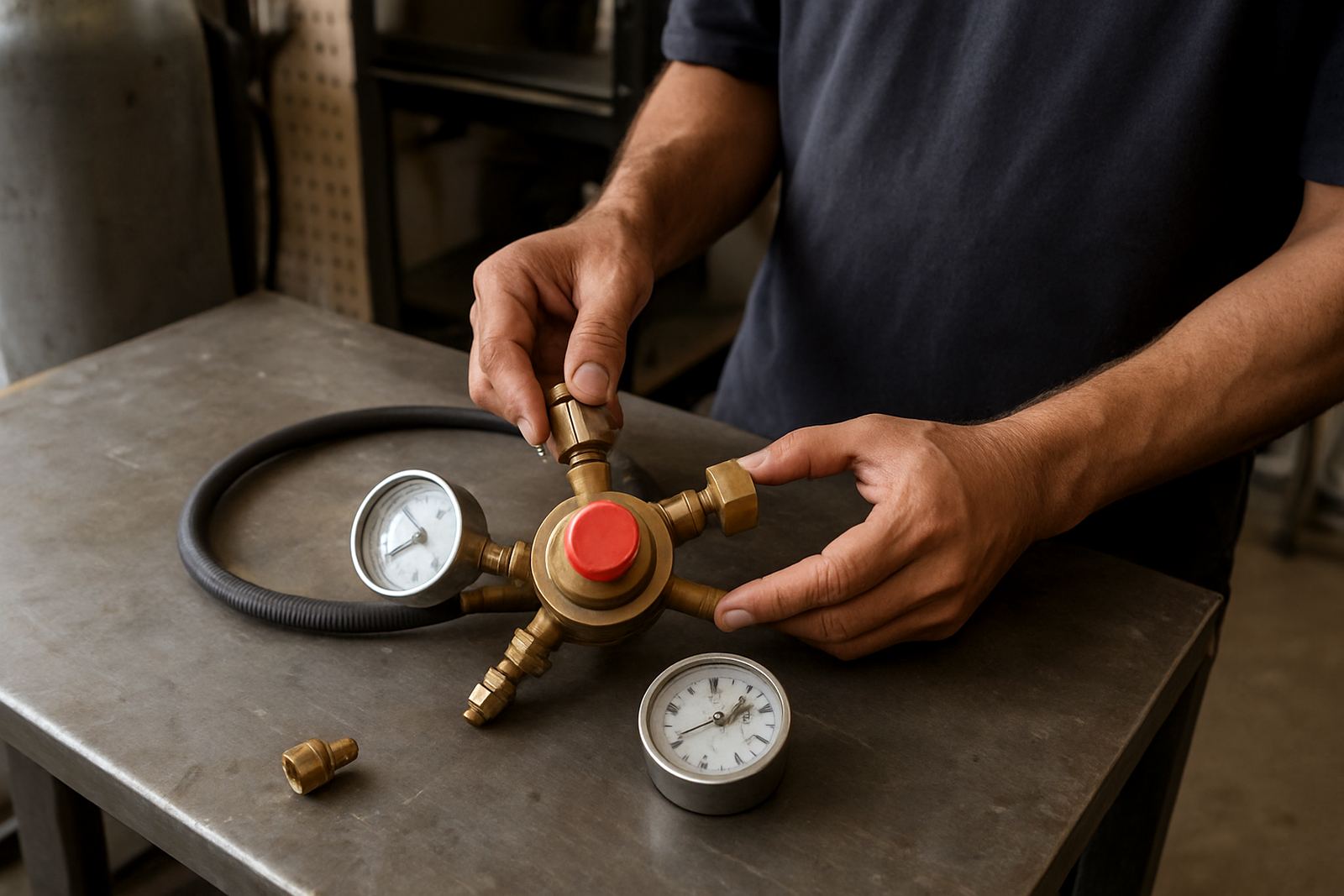
A gas regulator controls the delivery pressure from the gas supply into the laser cutting system. In daily use it keeps assist gas stable so the cut stays consistent, the kerf remains even and the head is not fighting pressure swings. When a regulator starts drifting, sticking or leaking, operators often see rough edges, piercing trouble and a higher reject rate.
We repair gas regulator faults linked to worn diaphragms, damaged seats, blocked passages, cracked bodies and tired fittings. On many machines the issue starts small, then gets worse under vibration, poor gas quality or repeated cylinder changes. If the pressure needle is hunting around or the machine is cutting fine one minute and not the next, the regulator should be checked before it causes more expensive faults.
Repair and replacement options for workshop use
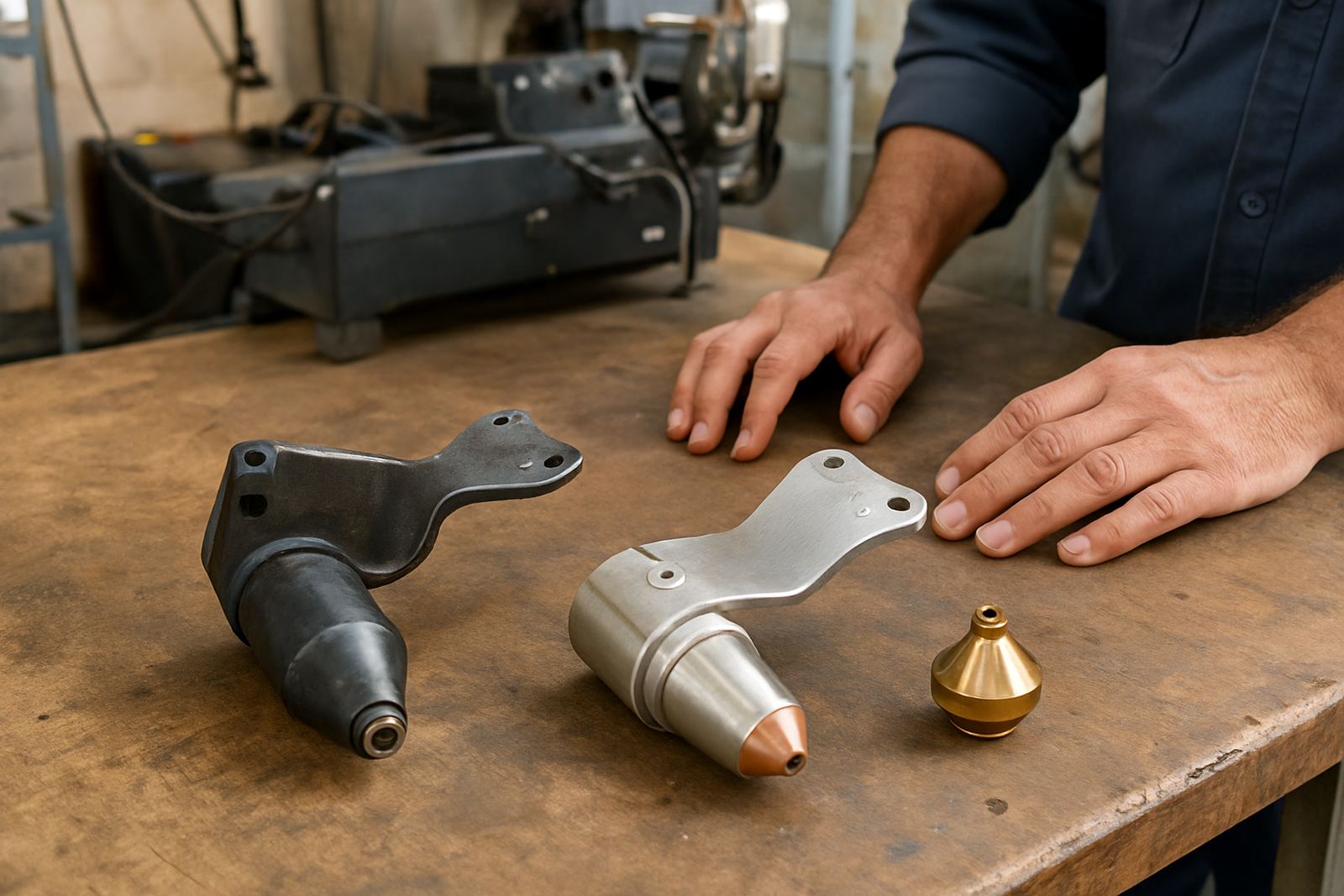
Some regulators can be restored with internal parts, while others are better replaced as assemblies. The right choice depends on the body condition, the pressure range needed and whether the unit is used on nitrogen, oxygen or compressed air. We inspect the complete unit and advise on repair, replacement or a like for like swap where that makes more sense.
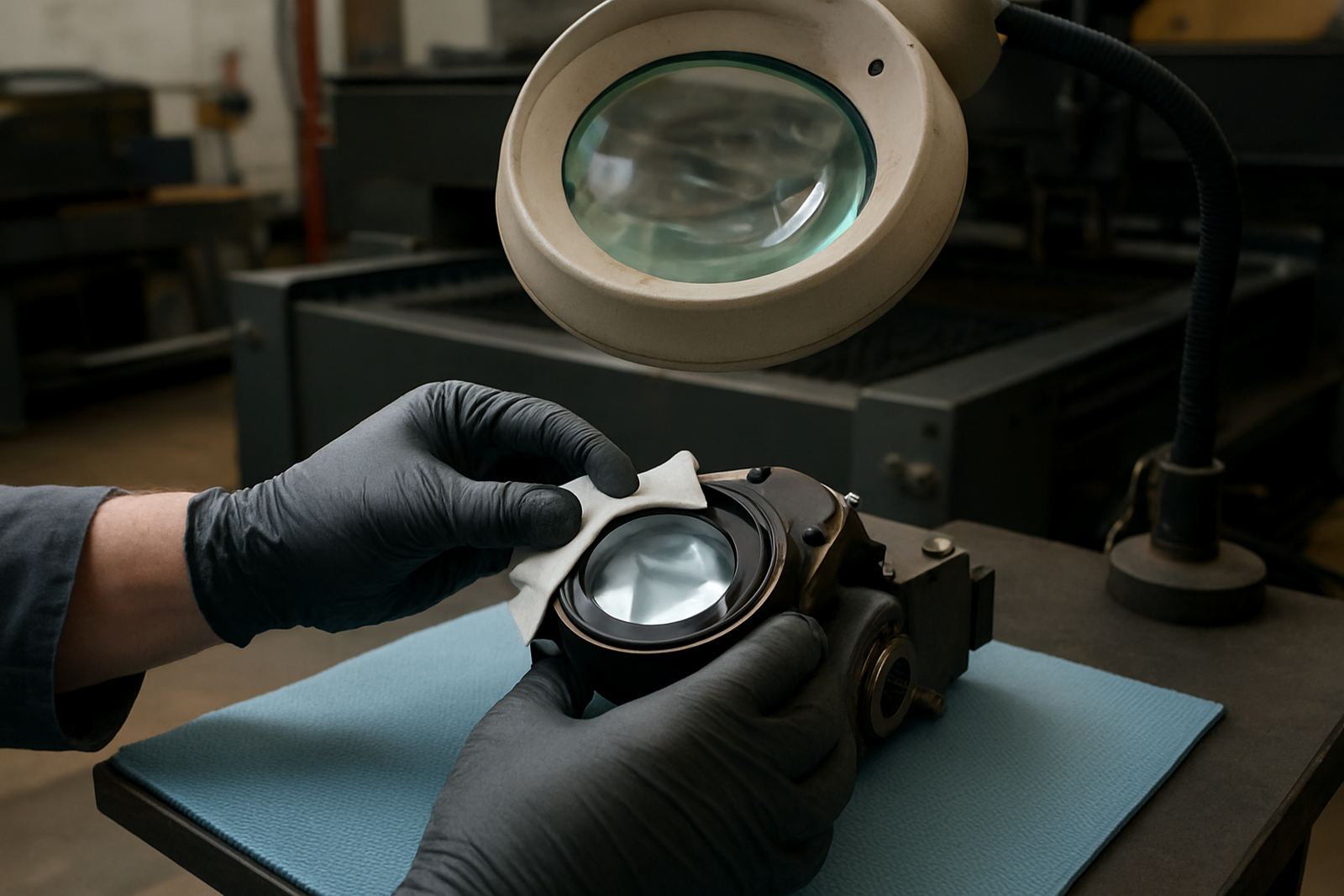
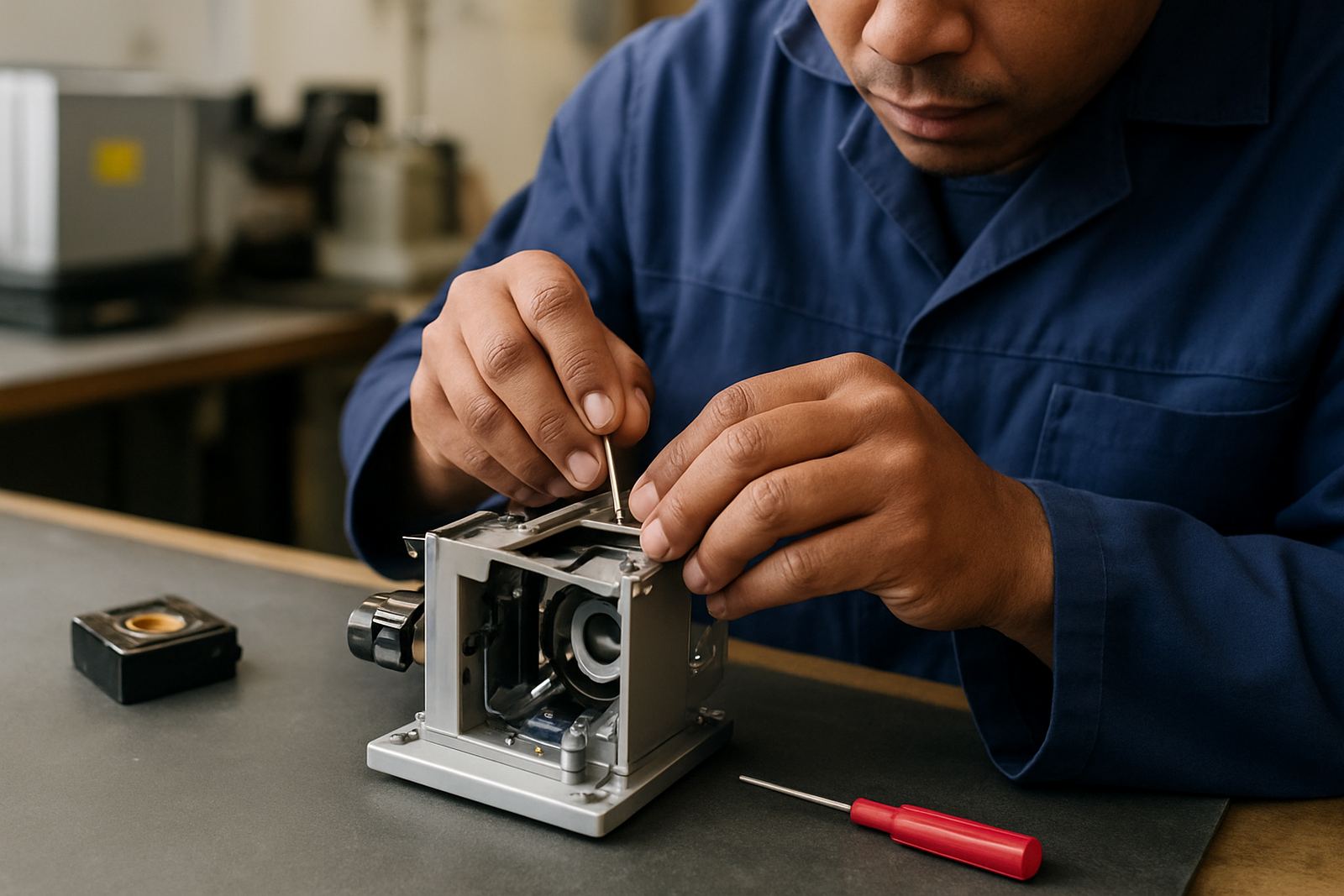
- Bench strip and inspection for internal wear and contamination
- Leak testing after repair and before return to service
- Replacement of damaged gauges, seals, seats and fittings
- Pressure stability checks under working flow conditions
- Setup advice for single cylinder, manifold or wall mounted supply points
For busy fabrication shops in Johannesburg, Pretoria, Durban or Cape Town, the aim is to get the regulator back into service quickly and safely, without unnecessary downtime.
Sizes, pressure ranges and connection options
Gas regulator sizes vary by application. Small point of use units suit lighter cutting work, while higher flow setups are used on larger heads and longer duty cycles. We match the regulator to the gas type, inlet connection, outlet fitting and the working pressure expected by the machine. It is common to see different requirements between thin sheet work and heavier plate cutting, so the supply needs to be set correctly.
Typical options include single stage and two stage regulation, low pressure and medium pressure outputs, and units with one or two gauges. We also handle regulators fitted to gas bottles, manifolds and fixed supply lines. If the machine uses more than one assist gas line, each line should be identified clearly so the wrong regulator does not get fitted by mistake.
- Gas types: nitrogen, oxygen and compressed air
- Outlet ranges: low pressure to medium pressure cutting applications
- Mounting: bottle mounted, wall mounted or line mounted
- Connections: thread and fitting type checked to suit the existing line
Where gas regulator repair suits best
Gas regulator repair suits workshops that depend on regular cutting and cannot afford poor pressure control. It is a practical service for job shops, signage plants, metal fabricators and maintenance teams running fibre or CO2 systems. If the machine is already showing unstable cut quality, the regulator should be checked along with the gas path, nozzles and head seals.
We service equipment used in Boksburg, Germiston, Kempton Park and the wider Ekurhuleni area, and also support customers in Vanderbijlpark, Johannesburg, Pretoria, Durban and Cape Town. Coastal humidity, dust and long hours on site can all shorten regulator life. In factory yards where cylinders are changed often, fittings take a lot of strain and leaks can start at the smallest point.
Installation, gas supply and power needs
Most gas regulators do not need electrical power, but they do need clean installation and the correct supply pressure. We check inlet pressure, outlet pressure and the condition of the line before releasing the unit. If the supply is unstable upstream, repairing the regulator alone will not solve the full problem, so the cylinder, hoses and manifold should be checked as well.
Installation should allow easy access for reading the gauge, changing bottles and isolating the line. Keep the unit away from direct heat, grinding dust and places where it can be knocked by moving stock. On busy floors a badly placed regulator gets damaged fast, especially where forklifts or hand trolleys pass close by.
- Confirm gas type and working pressure before fitting
- Use clean, dry supply lines with no visible oil or moisture
- Check thread size and sealing method before installation
- Leak test after fitting and again after the first production run
Care, servicing and ordering checks
Regulators last longer when the gas supply is kept clean and dry. Moisture, dust and cylinder debris can damage internal parts and make the gauge readings unreliable. A routine check once the machine is in service can prevent a small issue becoming a full stop on the line.
When ordering a repair or replacement, please check the following so we can match the part correctly and avoid delays:
- Gas type and intended cutting application
- Inlet and outlet thread sizes
- Required pressure range and whether the unit is single or two stage
- Machine make, head type and current fault symptoms
- Whether the issue is leak, low flow, unstable pressure or damaged gauges
If the regulator has already been exposed to a collision, heat or heavy contamination, tell us that upfront. It helps us decide if a bench repair is enough or if full replacement is the safer option. Our team includes workshop and field support, so we can work through the fault in a way that fits the production schedule and not just the part number.
Key facts
| Service type | Gas regulator repair, replacement and testing for laser cutting systems |
|---|---|
| Supported systems | Fibre laser and CO2 laser cutting machines |
| Gas compatibility | Nitrogen, oxygen and compressed air |
| Pressure support | Low pressure to medium pressure cutting applications |
| Work methods | Bench strip, leak test, pressure check and on site fault finding |
| Base and coverage | Boksburg, Ekurhuleni with support across South Africa |