What head collision repair covers
Head Collision Repair is the mechanical and optical recovery work done after a cutting head has struck material, a warped sheet, slats or a misfeed. In many cases the machine is still usable, but the head no longer tracks square and the cut becomes rough, tapered or inconsistent. We strip the affected head, inspect it, replace damaged wear parts and check the full optical path before it goes back into service.
This service suits fibre laser heads and CO2 cutting heads used in job shops, signage plants and metal fabricators across Johannesburg, Pretoria, Durban, Cape Town and the rest of South Africa. If the crash was light we may only need to restore the nozzle seat, window and alignment. If it was harder, we inspect the ceramic holder, sensor ring and internal body for damage, then advise what can be saved and what must be changed.
Typical damage after a collision
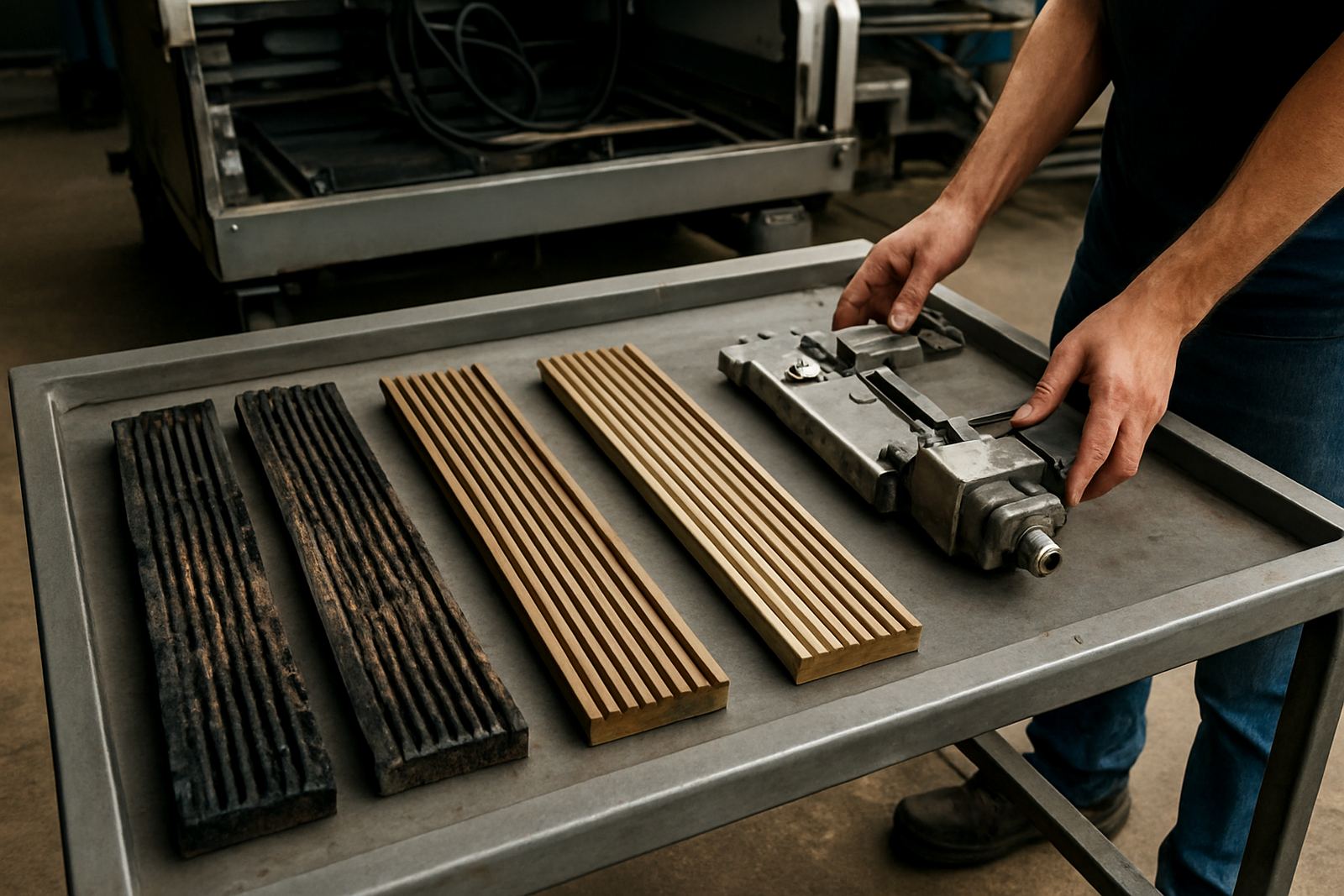
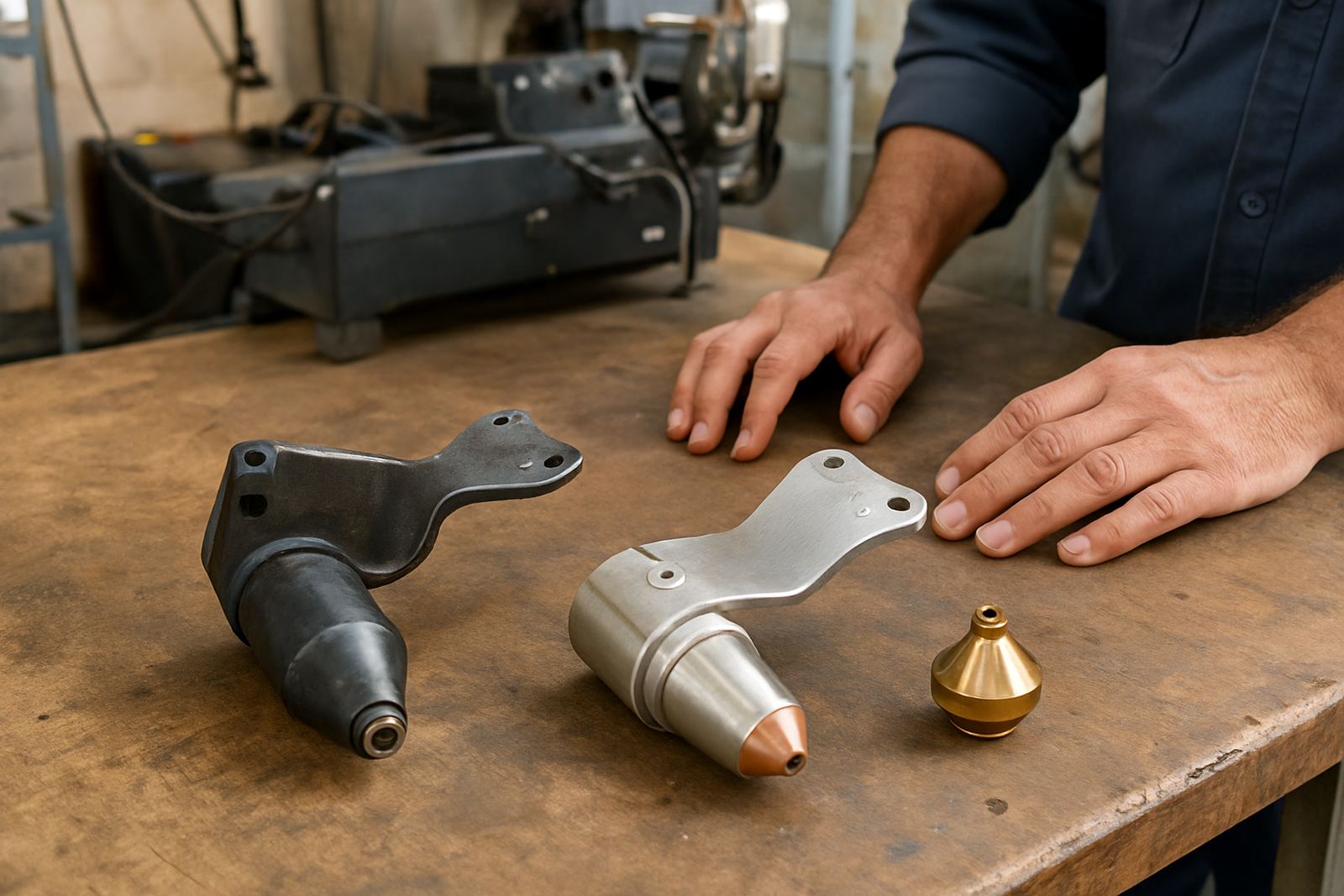
After a crash, the damage is often a mix of visible wear and hidden faultS. A bent nozzle, cracked ceramic holder or scored nozzle seat can cause poor piercing and drag marks. If the protective window was hit, the beam quality can drop quickly and the lens may overheat. On some heads the sensor ring gets knocked out of position, which can affect height sensing and lead to repeated misfires.
- Misaligned nozzle and centre line
- Damaged lens or protective window
- Cracked ceramic holder or sensor ring
- Worn nozzle seat and gas path leakage
- Internal dirt from burnt material or dust
We also check for secondary damage caused by the crash itself, such as a loose cable, damaged connector or a mark on the head body where the assembly took the impact. In coastal areas like Durban and Cape Town, humidity can make contamination and corrosion worse if the head was left open after the incident.
Sizes, head types and repair options
Laser head collision repairs are not one-size-fits-all. The exact work depends on the model, the beam path, the nozzle style and whether the unit is a fibre or CO2 head. Some heads only need consumables and alignment checks. Others need a full strip and inspection with parts replacement before they can be trusted on a production line again.
We work on common industrial head sizes used for sheet cutting, tube cutting and mixed production. The repair plan is based on the fault, not on a fixed package, so you only replace what is needed. If the head body is cracked or badly distorted, we will say so before continuing. That saves time and avoids putting a weak unit back into a high duty cycle application.
- Light collision recovery with alignment and consumables
- Moderate repair with lens, window and ceramic holder replacement
- Full strip, clean and bench test after severe impact
- On-site inspection for heads still mounted on the machine
Where this service suits best
This repair service suits workshops that cannot afford long stoppages. If a head crash happens on a Monday morning in Boksburg or Germiston, you need a practical answer, not a long wait. We support fabricators in Johannesburg, Pretoria, Vanderbijlpark, Durban and Cape Town who need a fast return to production after a collision or repeated cut fault.
It is especially useful where the same machine runs different materials through the week, such as mild steel, stainless steel and aluminium. Mixed work can expose weak alignment fast. If a machine is cutting fine one day then losing edge quality the next, a damaged head is often part of the problem. We handle both bench repair and on-site recovery depending on how the machine is installed and whether it can be safely moved.
Installation, power and gas requirements
Head Collision Repair itself does not require a special power supply, but the machine it goes on does. For safe testing, the laser cutter must be isolated, cleaned and made ready for diagnostics. We may need compressed air or assist gas available for leak checks and pressure tests, and the machine must be in a condition where the axis and head can move without obstruction.
Before return to service, we confirm the head can hold alignment under normal cutting conditions. Assist gas pressure, beam path stability and sensor response all matter. If the machine has suffered repeated crashes, we may also recommend checking the slide system, crash protection settings and material support layout. A repaired head will not stay healthy if the root cause is still there, especially where load-shedding or rushed restarts have interrupted proper shutdown and recheck routines.
Care, servicing and what to check when ordering
After repair, the head should be kept clean and checked regularly. Dust, slag and fumes can build up around the nozzle and window area, particularly in enclosed workshops. A quick daily wipe and a proper scheduled service help the repaired unit last longer. If the machine starts cutting poorly again, stop and check for drift, contamination or a fresh impact rather than pushing on and risking more damage.
When ordering a Head Collision Repair, give us the machine make and head model if you have it, plus the fault symptoms and what happened before the crash. Photos are useful, especially close-ups of the nozzle, ceramic holder and lens area. If the head has already been stripped, say which parts are missing. The more accurate the details, the faster we can plan the work and source the right components.
- Machine and head model
- Type of laser, fibre or CO2
- What happened before the crash
- Photos of visible damage
- Any parts already removed or replaced
- Whether repair is needed on site or in the workshop
Our repair process in practice
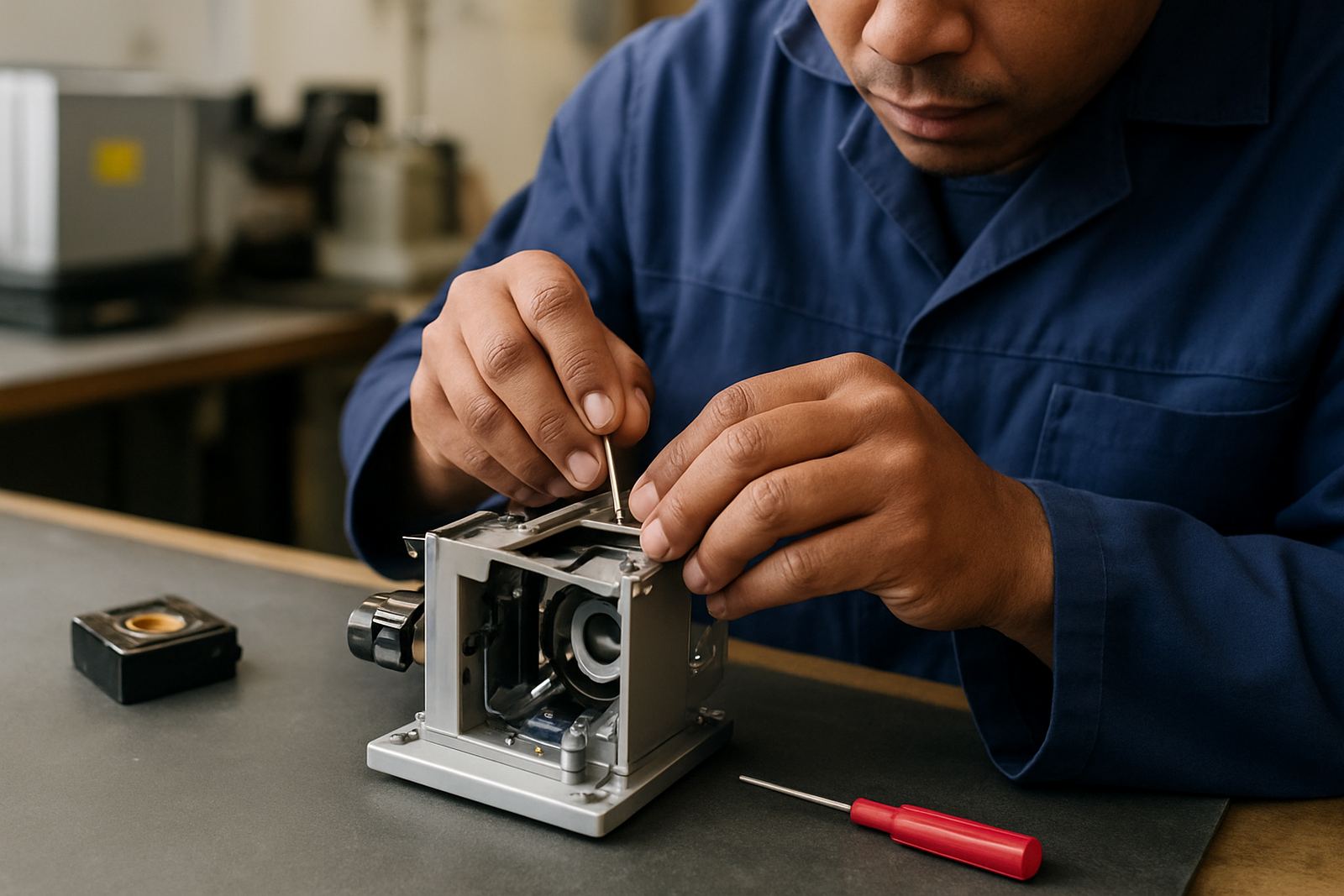
We start with diagnosis, then strip and inspect the head to find both the obvious and hidden damage. Parts are replaced where needed, the optical path is cleaned and the assembly is checked for correct seating and alignment. If the unit is repairable on the bench, we test it there first. If the machine needs to be checked in place, our field technician can attend on site in the Ekurhuleni area or further afield by arrangement.
The goal is simple: return the head to stable cutting performance and keep downtime short. That means a practical repair, a clear fault report and a proper return to service test before the machine is handed back. If the crash was severe, we will tell you straight away what can be recovered and what parts should be replaced before the next production run.
Key facts
| Service type | Mechanical and optical recovery after head collision damage |
|---|---|
| Compatible systems | Fibre laser and CO2 laser cutting heads |
| Work location | Bench repair or on-site support |
| Typical parts | Nozzle, lens, protective window, sensor ring, ceramic holder, nozzle seat |
| Test methods | Strip and inspection, alignment check, bench pressure test, return to service test |
| Coverage | Boksburg, Johannesburg, Pretoria, Vanderbijlpark, Durban, Cape Town and surrounding areas |