
What a slat bed refurb does for daily cutting
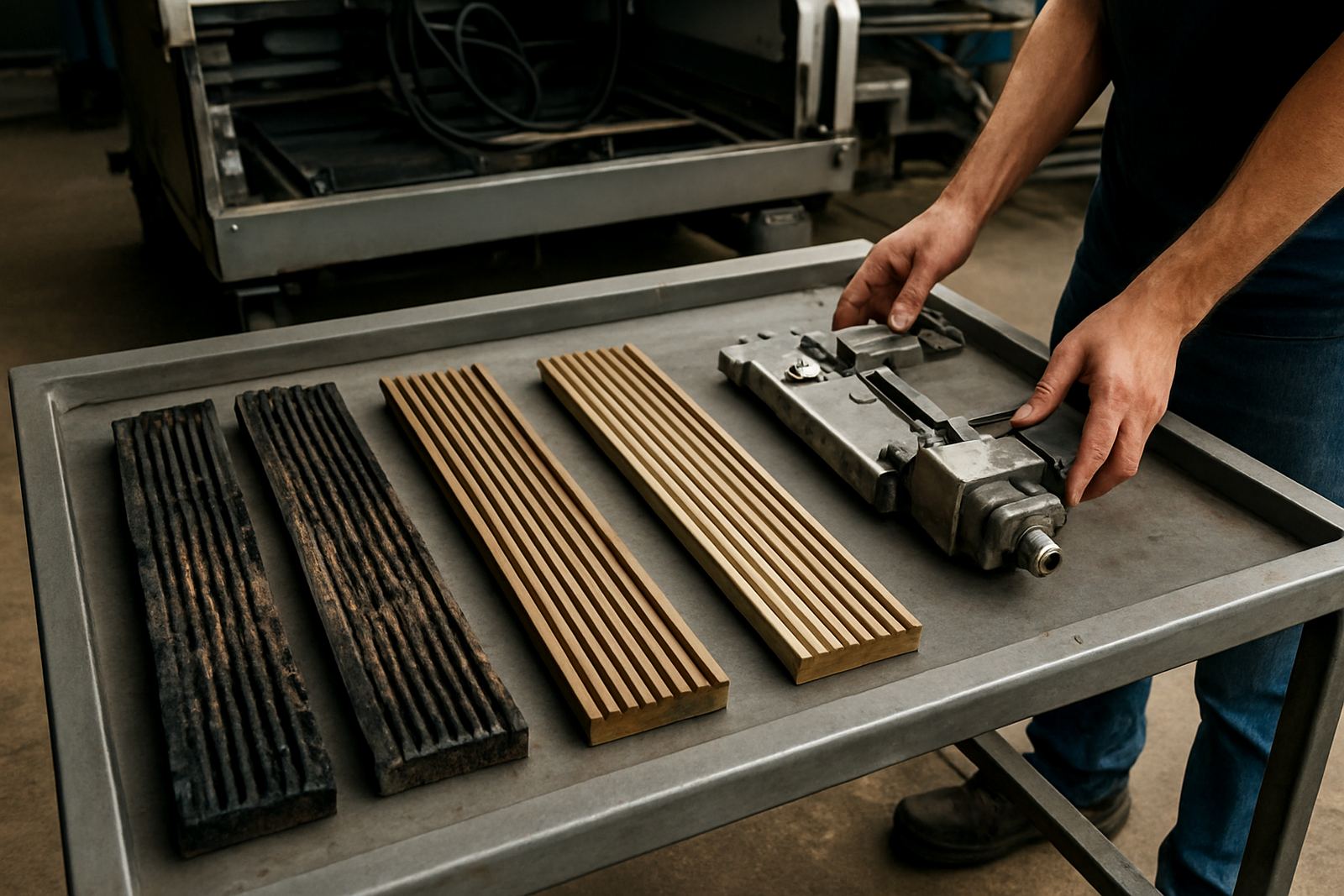
A slat bed refurb repairs the part of the machine that carries sheet material during cutting. When slats are bent, burnt through, clogged with dross or badly worn, the sheet can sit unevenly and the cut edge may show more slag, tilt or marking. In some cases parts tip as the sheet moves, especially on thinner mild steel and stainless work. A proper refurb restores the support surface, checks the bed structure and gets the table ready for consistent loading and unloading.
We see this often in job shops, signage plants and fabrication yards around Boksburg, Johannesburg and Germiston where machines run long shifts and sheets are changed all day. Heat, spatter, forklift knocks and moisture all take a toll. If the bed is uneven, even a well tuned laser head can struggle to keep quality steady. That is why bed work is checked together with alignment, head condition and the cut zone, not as a separate little job on its own.
Typical slat bed sizes and refurbishment options
Slat beds are usually built to suit the machine table size and the material mix being cut. We refurbish small format beds for compact workshop cutters, right through to long beds used on plate and sheet handling lines. The actual slat profile, spacing and mounting style must match the machine frame and pallet system, particulary where the table uses replaceable carriers or segmented sections.
- Replace damaged slats with new cut support sections
- Rebuild burnt bed areas and worn contact points
- Check bed level, twist and cross support straightness
- Clean out slag build-up and heat scale from the table
- Restore part support spacing for thinner sheet and plate work
Where the bed has suffered a collision, we inspect for bent carriers, cracked mounts and uneven sections that can cause wobble or sheet drag. If only part of the bed is worn, a sectional refurb may be enough. If corrosion or heat damage has spread through the full support area, a more complete rebuild is safer and usually saves repeat stoppages later.
Where slat bed work suits best
This service suits workshops that cut on a daily basis and cannot afford poor support under the sheet. It is commonly needed in metal fabrication, signage production, ducting, automotive parts, sheet metal shops and contract cutting rooms. If your machine handles frequent loading with cranes, forklifts or manual sheet transfer, the bed takes a lot of punishment. Coastal humidity in Durban and salt air closer to the coast can also speed up rust on neglected tables.
Slat bed refurb is especially useful when you notice more burr on the underside, uneven marks on flat sheet, or parts that shift while the cut is still running. It also helps where operators have started shimming material just to get through a job. That is not a long term fix. A sound support bed gives better repeatability and makes the machine easier to run on day to day work.
- Job shops with mixed small and medium production runs
- Fabricators cutting mild steel, stainless steel and aluminium sheet
- Plants running one or two shifts with limited downtime
- Sites where the table has taken heat damage or collision damage
Installation, fitment and utility needs
Slat bed refurbishment is a mechanical service and does not usually need extra power or gas beyond what the laser machine already uses. What matters is safe access, stable lifting gear and enough space to remove the bed sections or table parts. On larger machines we plan the work around the shift pattern so production can keep moving while the table is out of service. If the bed must be removed on site, we check access routes, floor level and overhead clearance before starting.
After fitment, the table is checked for level, alignment and smooth movement through the machine travel range. If the machine uses a pallet changer or lift system, the refurbished bed must sit correctly in relation to the carriage and cutting head. We also check for any contact points that may foul during movement. In some cases the machine benefits from a return to service test after the bed work, especially if the cutter has been running with a bent or damaged support area for some time.
Care after refurbishment and routine servicing
A refurbished bed lasts longer when operators keep it free of slag and check it during normal cleaning. Hot spatter, fine dust and small offcuts can build up quickly under the sheet. If that debris is left in place, it can hold moisture and start corrosion. After a shift, the bed should be cleared where possible and the table area inspected for broken slats or loose sections. This is simple work, but it prevents a lot of repeat damage.
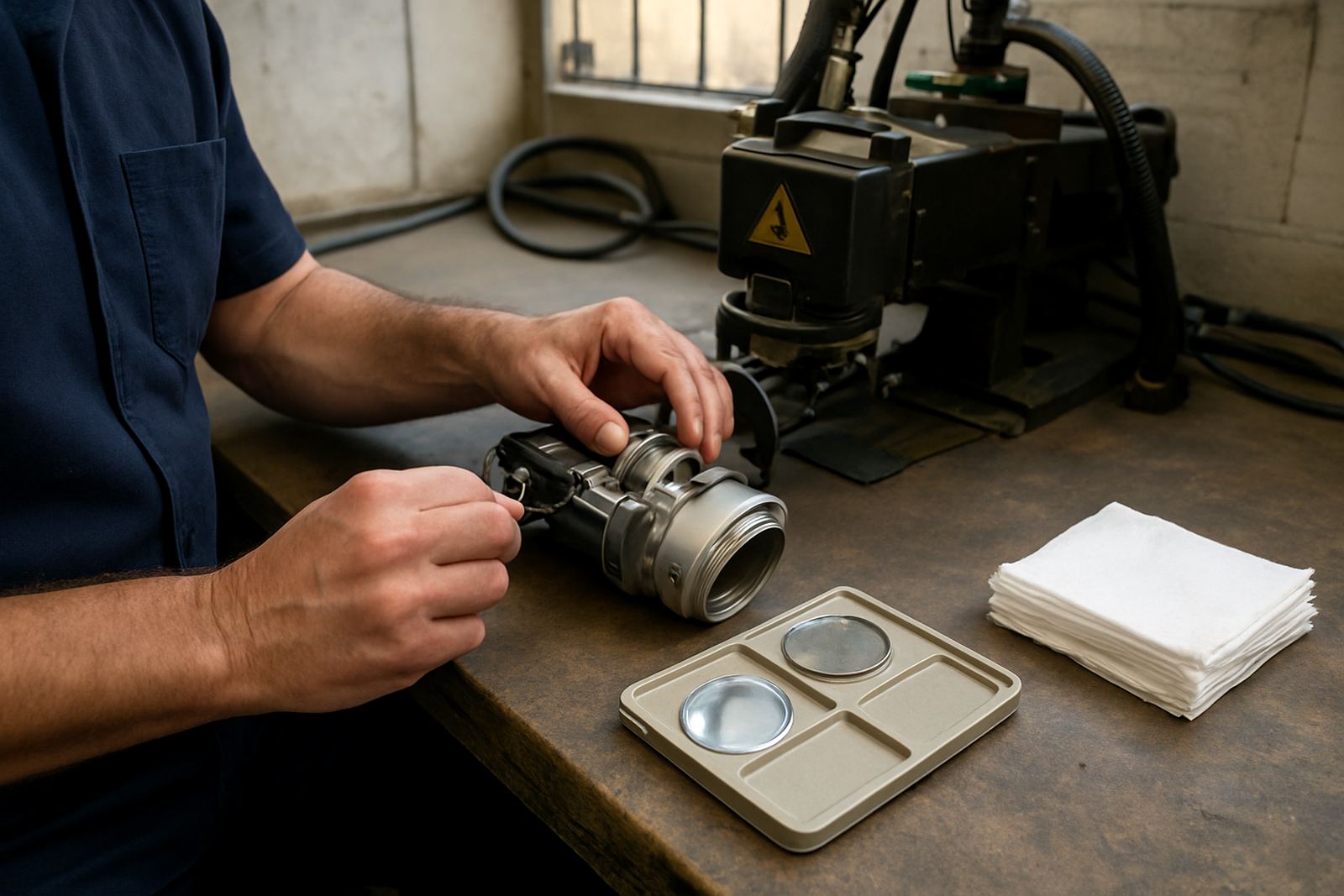
Routine servicing can include internal cleaning, gas path service on the cutting head, nozzle checks and lens inspection. A poor cut is not always caused by the bed alone, so we look at the full cutting setup when needed. We also recommend a quick visual check after any collision, because a knocked nozzle seat or shifted head can put extra stress on the same area again. Small faults left too long can turn into bigger repair bills.
- Remove dross and slag before it hardens onto the bed
- Check for bent slats after heavy plate cuts
- Keep the table dry to slow corrosion and rust staining
- Inspect the first and last support zones, where wear often starts
What to check when ordering a slat bed refurb
To quote or plan the work properly, we need the machine type, bed size and a clear idea of the damage. Photos help, especially if the slats are bent, missing or heavily burnt. It also helps to know whether the machine is fibre or CO2, the sheet sizes being cut and whether the table is fixed or part of a changer system. If the machine has had a collision, send details of what was hit and where the damage shows up.
When you order, please check the following before the team visits or the part is collected:
- Overall table length, width and support section spacing
- Number of damaged slats or bed sections
- Whether the table needs on site work or bench repair
- Any signs of twist, sagging or broken mount points
- Material types and sheet thicknesses normally cut
- Any recent collision, overload or cleaning issue
In many cases, a focused refurb brings the bed back into service without replacing the full machine table. That keeps the cost down and shortens the stoppage, which matters when orders are waiting and the workshop cannot afford another day of downtime.
Key facts
| Service type | Slat bed refurbishment for laser cutting machines |
|---|---|
| Machine compatibility | Fibre laser and CO2 laser systems |
| Work location | Bench repair or on site service, subject to access |
| Typical table sizes | Small format through to large sheet and plate beds |
| Common issues handled | Bent slats, burnt sections, corrosion, twist, sagging and impact damage |
| Service outcome | Improved material support, flatter sheet seating and safer cutting |