
What the Cooling Loop Flush does
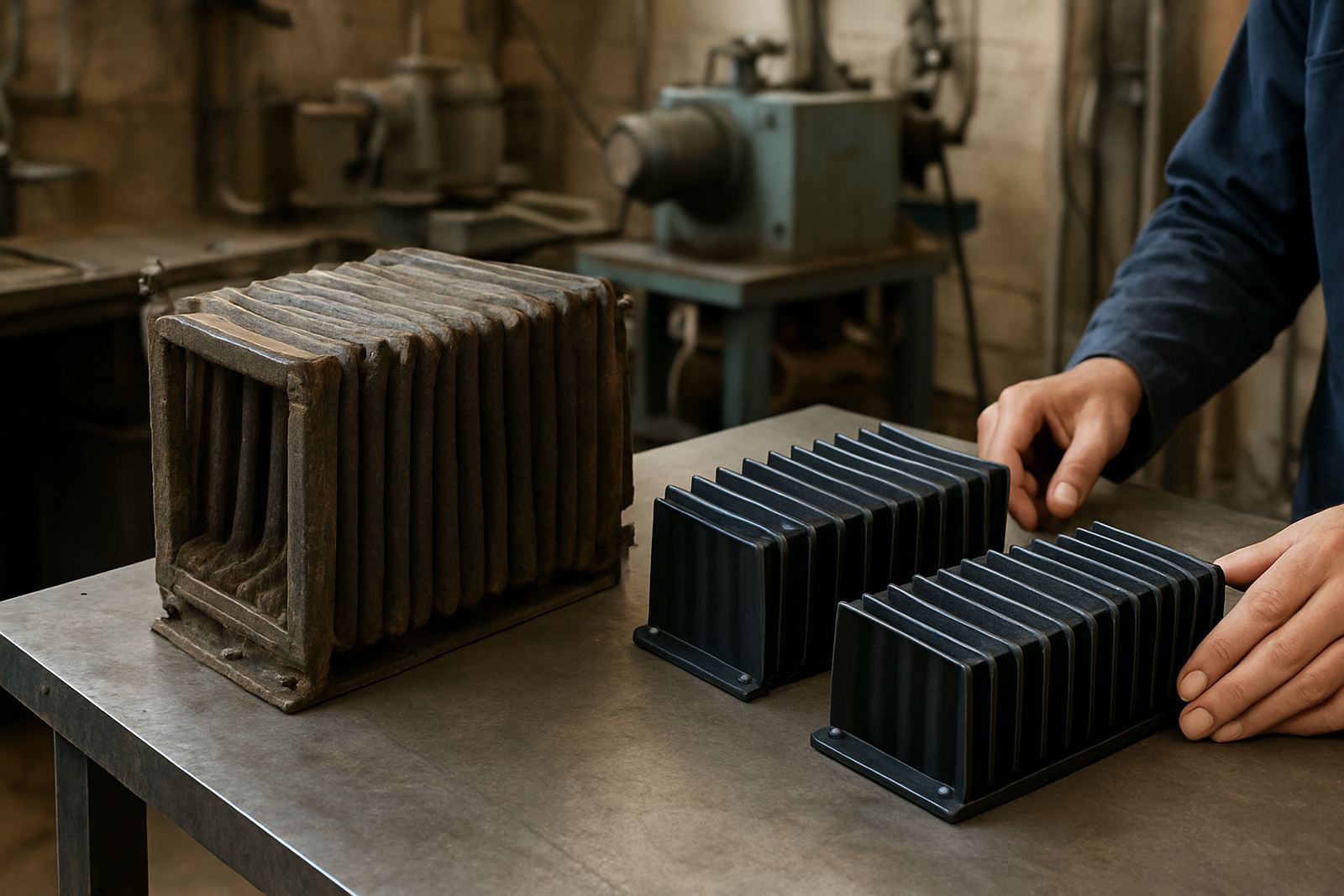
The Cooling Loop Flush is a cleaning service for the water circuit that supports your laser machine, chiller and cutting head. Over time, scale, rust, algae, oil residue and old coolant can build up inside hoses, filters, pumps and heat exchangers. That contamination makes temperature control less stable and can lead to poor cut consistency, nuisance alarms and extra wear on sensitive parts.
We flush the circuit, inspect the return condition and put the system back into service with cleaner flow paths. On most jobs the aim is simple: get the temperature back under control and reduce the chance of a head or chiller issue later. It is a practical maintenance step for workshops that run long shifts, especially where dust and heat build up in Boksburg, Johannesburg and the surrounding industrial areas.
Where it suits and when to order it
This service suits fibre and CO2 laser systems used in job shops, signage plants, sheet-metal workshops and fabrication yards. It is useful when the machine is showing unstable coolant temperature, low flow, discoloured fluid or signs of residue in the tank. If the head has already had a collision or seal issue, a flush can also help after repair before the machine goes back to full production.
- Machines running in hot workshops or dusty bays
- Systems with old coolant that has gone cloudy or brown
- Units that trip on flow, overtemp or chiller warnings
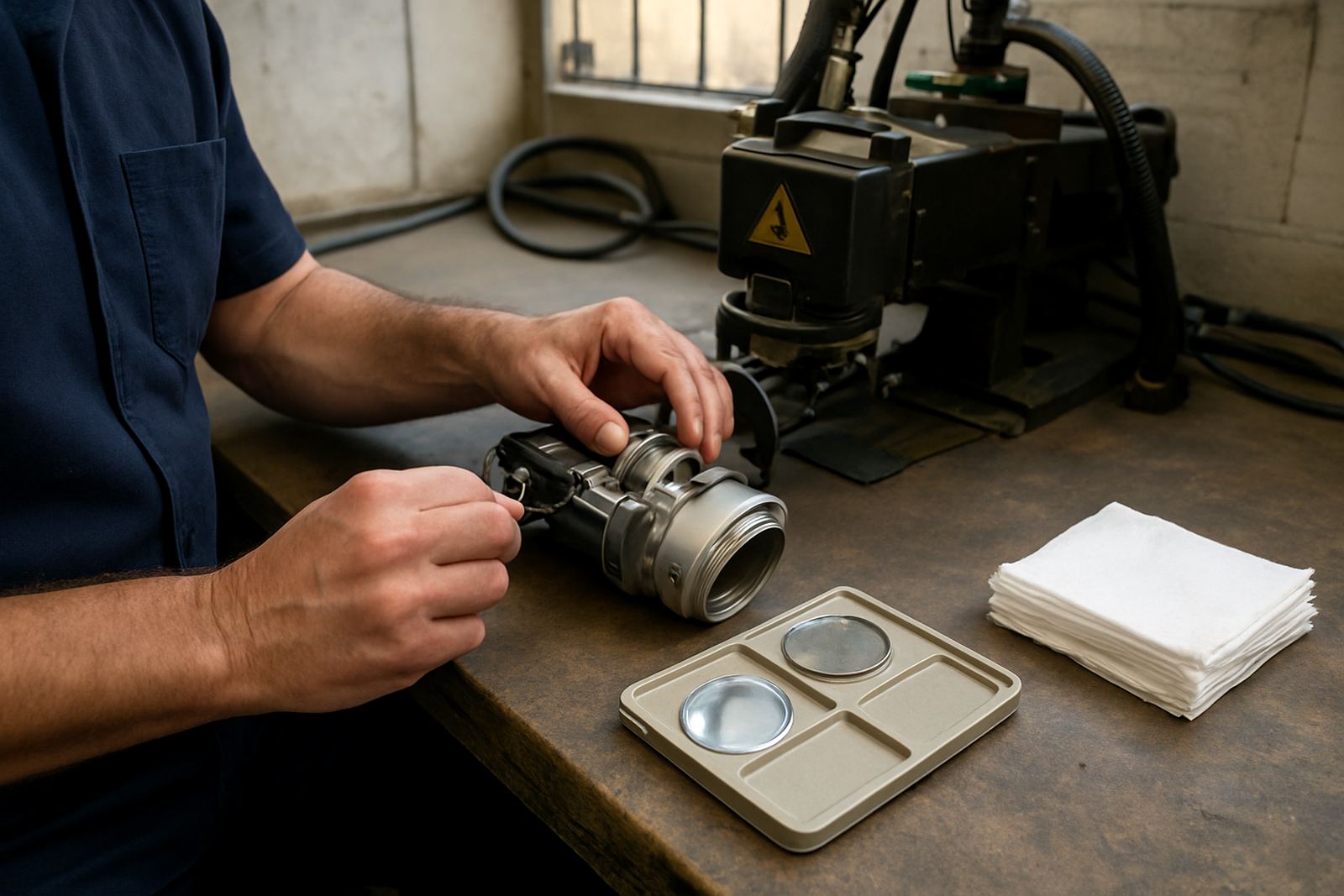
- Laser heads that have had window, nozzle or sensor work done
- Sites with long duty cycles and limited downtime windows
For coastal sites in Durban and humid stores near Cape Town, a proper flush is often worth doing before summer running starts again. It helps reduce corrosion and keeps the cooling circuit in better shape, not perfect but better than letting sludge sit in the lines.
Service options and specs
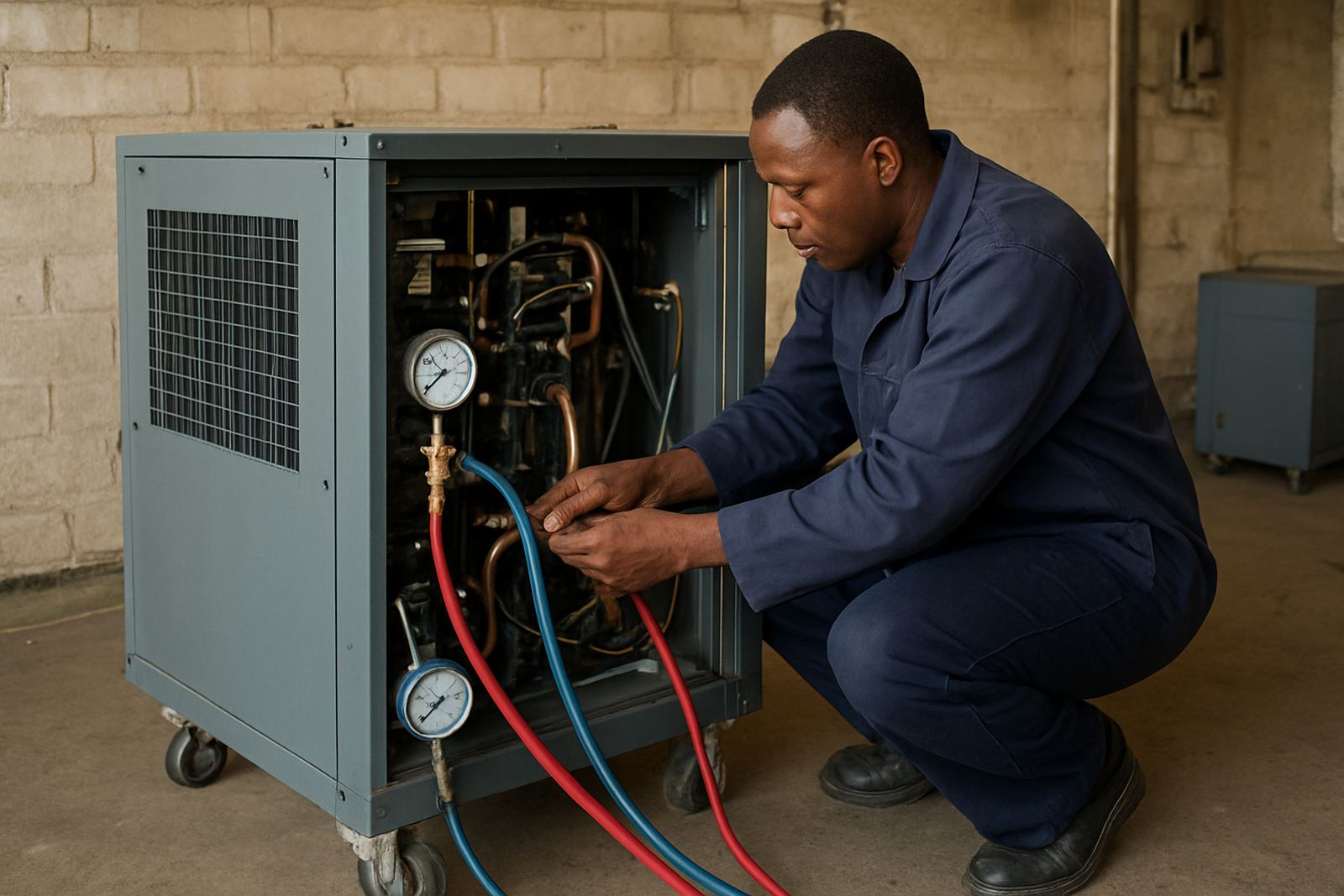
We offer bench service at our Boksburg base and on-site support for customers across South Africa, including Pretoria, Vanderbijlpark, Germiston and Kempton Park. The exact method depends on the machine layout, tank access and the condition of the cooling circuit. Some systems only need a controlled flush and refill, while others need a full drain, line clean and filter check.
- Closed-loop cooling systems for fibre and CO2 lasers
- Typical coolant circuit volumes: 10 to 40 litres, depending on machine type
- Compatible with standard industrial chillers and head cooling lines
- Supports systems with copper, plastic and mixed-line circuits
- Available as bench flush or on-site flush subject to access
Where needed, we can pair the flush with cooling circuit checks, head alignment inspection and return-to-service testing so the machine goes back into production with less guesswork.
What happens during the flush
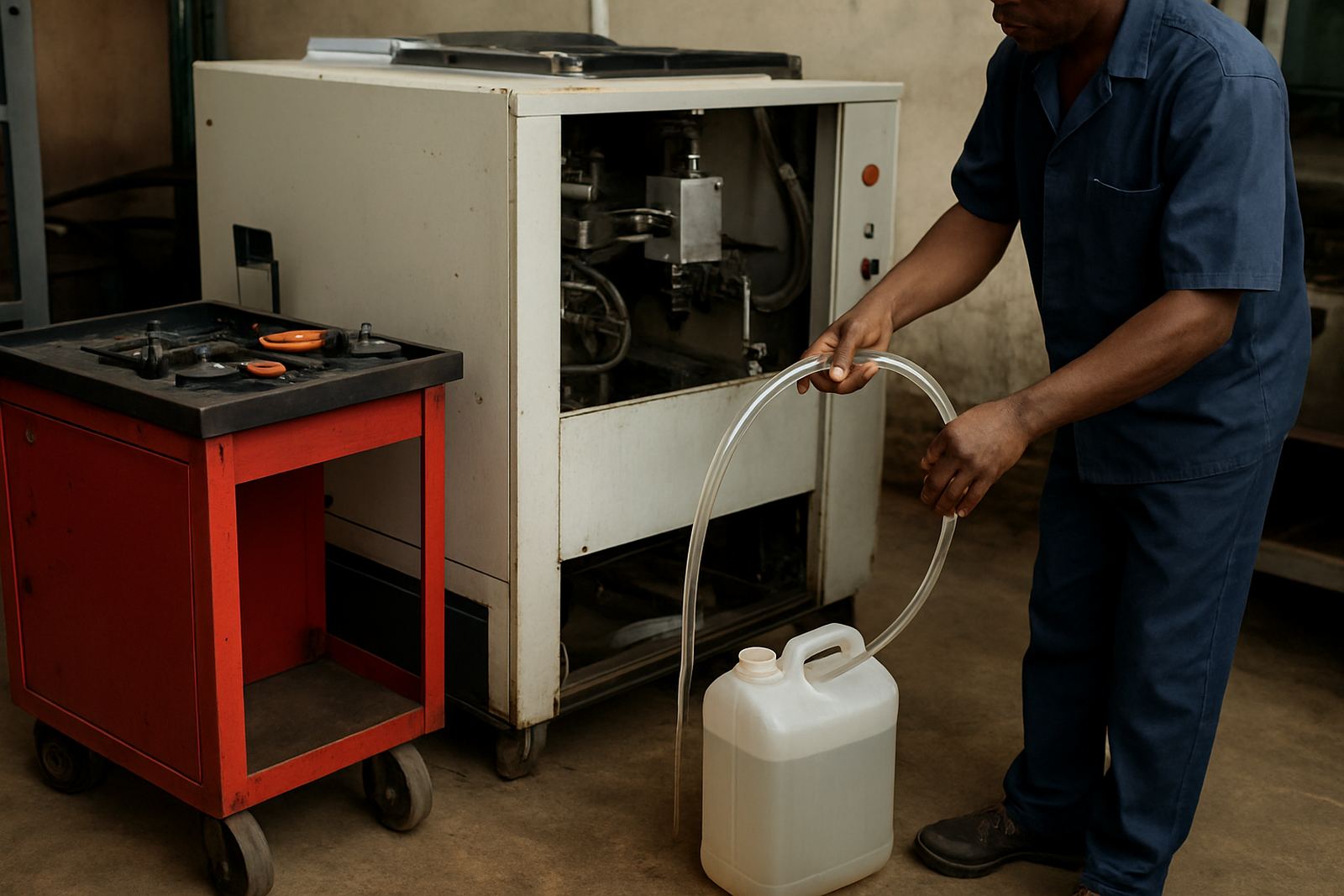
The process starts with diagnosis. We check coolant condition, line flow, visible contamination and any alarms the machine has logged. After that, the circuit is isolated, drained and cleaned in a controlled way. Filters are checked, hoses are inspected for wear, and the tank is cleaned before the system is refilled with clean coolant to the right level.
We also look for the small things that cause repeat trouble. A loose clamp, a blocked return line or a tired pump can undo the benefit of a flush if it is left in place. It is a straightforward job, but the sequence matters, because a bad refill can trap air and cause temperature swings when the machine gets busy again.
Installation, power and site needs
The Cooling Loop Flush itself does not need gas. Power requirements depend on whether the work is done on site or in the workshop, and whether the machine chiller or circulation unit needs to be run during testing. For on-site work, we need safe access to the machine, the coolant tank or chiller, and enough space to drain and refill the circuit without interrupting other production lines.
- Stable electrical supply for the chiller or circulation pump during test runs
- Clear access to drain points, tank, filters and hose connections
- Clean water or approved coolant for refill, depending on machine spec
- Suitable containment for removed fluid and contaminated residue
In many workshops, especially where load-shedding and generator switching are part of the day, we plan the flush around the times your machine can be isolated properly. That helps avoid half-finished work and keeps the coolant circuit from being exposed longer than needed.
Care after a flush and what to check when ordering
After the flush, coolant should be checked on a set schedule so the system does not drift back into dirty running. If your workshop handles cutting dust, oil mist or high heat, the cooling loop should be checked more often than a light-use machine. Clean filters, fresh coolant and a sound seal on the tank all help extend the interval between services.
When ordering, tell us the machine type, coolant volume if known, the fault history and whether the job is for bench or site work. If the system has been overheating, give the temperature range and whether alarms appear at start-up or under load. That information helps us bring the right parts and plan the job properly, which matters when production is waiting.
- Machine make and model if available
- Approximate coolant capacity
- Any visible contamination or rust in the circuit
- Alarm codes, flow faults or overtemperature history
- Whether the unit is fibre or CO2
For customers in Johannesburg, Pretoria, Durban and Cape Town, the aim is always the same: clean the cooling path, test the result, and get the machine back to steady running without dragging the repair out.
Key facts
| Service type | Cooling circuit cleaning and flush for laser machines |
|---|---|
| Machine compatibility | Fibre and CO2 laser systems with closed-loop cooling |
| Typical coolant volume | 10 to 40 litres, machine dependent |
| Service modes | Bench service or on-site support |
| Common issues addressed | Scale, sludge, algae, residue, poor flow and unstable temperature |
| Coverage area | Boksburg, Ekurhuleni and nationwide support across South Africa |