
Water Chiller Repair for Laser Cooling Systems
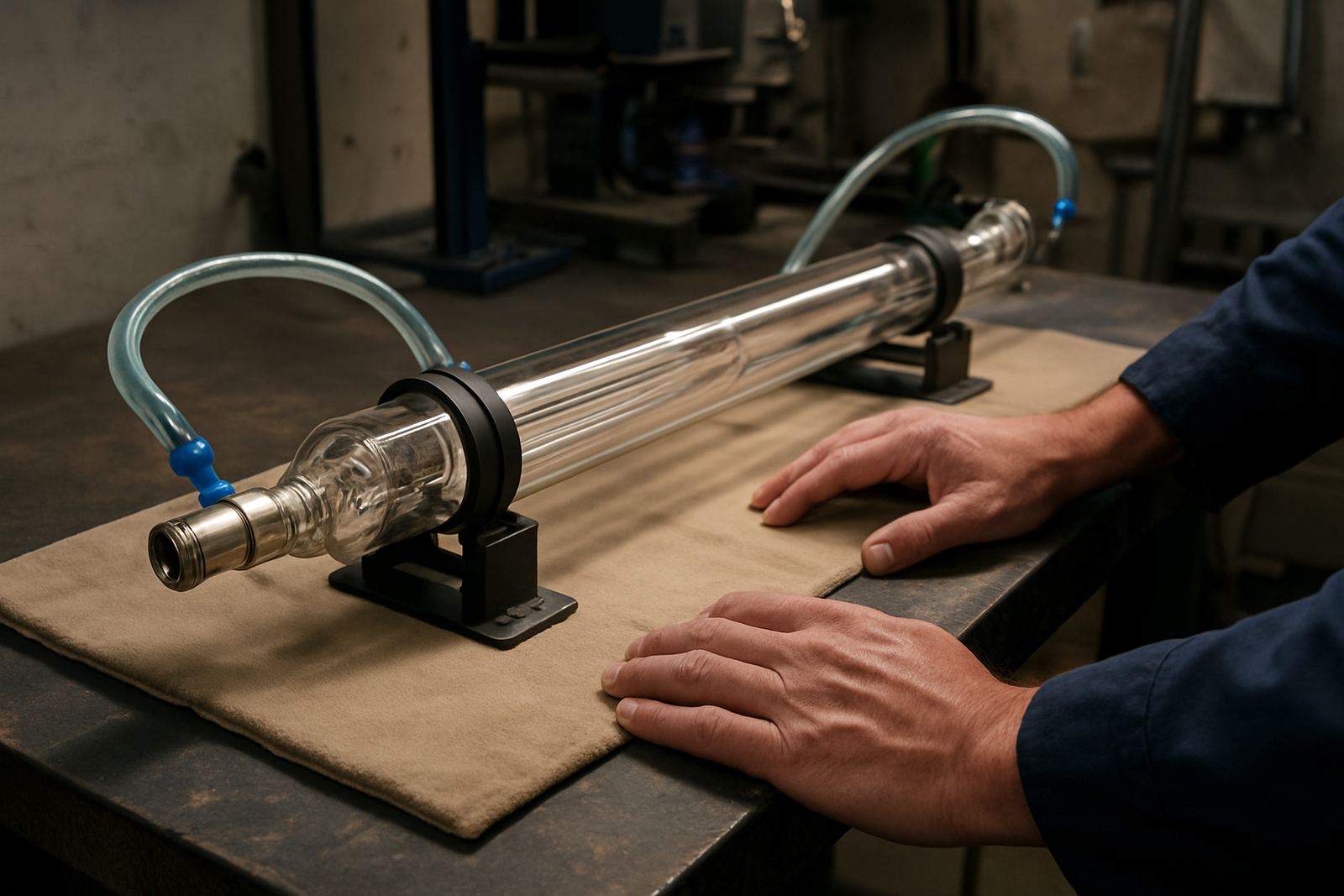
A laser chiller keeps the tube, source and cutting head within the right temperature band so the machine can cut cleanly and keep running through long shifts. When the unit starts cycling alarms, the coolant temperature drifts, or the flow drops off, the laser can lose power, cut quality and consistency very quickly.
We repair laser water chillers used on fibre and CO2 systems, including compact units for smaller workshops and higher capacity chillers for heavier production lines. Our work covers diagnosis, cleaning, parts replacement and full return to service testing so the chiller is ready for daily use again. If a unit has been standing during load-shedding or after a power dip, we can inspect for control faults and pump damage too.
Typical problems include blocked strainers, weak pumps, sensor drift, dirty condensers, fan faults and internal scaling. In many cases the unit is not beyond repair, it just needs proper fault tracing and a careful strip down, not a quick reset.
Chiller Sizes and Options We Service
Different laser systems use different cooling demands, so the right repair starts with the machine size, duty cycle and ambient conditions on site. A chiller that works fine in a cool Pretoria workshop may struggle in a hot steel plant in Durban if the airflow is poor or the filters are clogged.
We service a practical range of laser chiller types and sizes, from small recirculating units to larger industrial systems. Where parts are worn, we match replacements to the original spec as far as possible, and advise when a unit is no longer worth keeping in service.
- Single-circuit chillers for lighter laser machines
- Higher-capacity chillers for extended cutting shifts
- Units with digital temperature display and alarm control
- Air-cooled systems commonly used in workshops
- Water-cooling units fitted to fibre and CO2 installations
- Chillers with external flow, pressure or temperature sensors
Some systems can be repaired on site, while others are best brought to the bench for a full strip and inspection. If the issue is electrical, mechanical or contamination-related, the bench route usually gives a cleaner result and less repeat failure.
Where a Chiller Repair Suits Your Operation
Chiller repair suits job shops, signage plants, fabrication bays and maintenance teams that cannot afford unplanned downtime. It also helps when the machine is still otherwise sound and the cooling fault is the only thing holding production back. That is common after summer heat, dusty conditions or a brownout that upset the control board.
We regularly support workshops in Johannesburg, Pretoria, Vanderbijlpark, Germiston, Kempton Park, Durban and Cape Town, plus surrounding industrial areas. The same applies whether the machine is cutting mild steel, stainless steel or aluminium. If the cooling system is not stable, the laser is taking unnecessary risk every hour it runs.
- Poor temperature control during long cutting jobs
- Alarm codes linked to flow, pressure or sensor faults
- Reduced output after overheating or low coolant level
- Blocked flow paths caused by sludge, rust or scale
- Intermittent shutdowns after a power interruption
In many cases, the machine operator sees only a warning on screen, but the real cause sits inside the cooling loop. We check the whole system, not only the symptom.
Installation, Power and Site Conditions
Correct installation matters as much as the repair itself. A chiller needs clear airflow around the condenser, a stable electrical supply and enough space for safe maintenance access. If it is jammed against a wall, standing in dust or drawing power from an unstable circuit, it will struggle again soon after the fix.
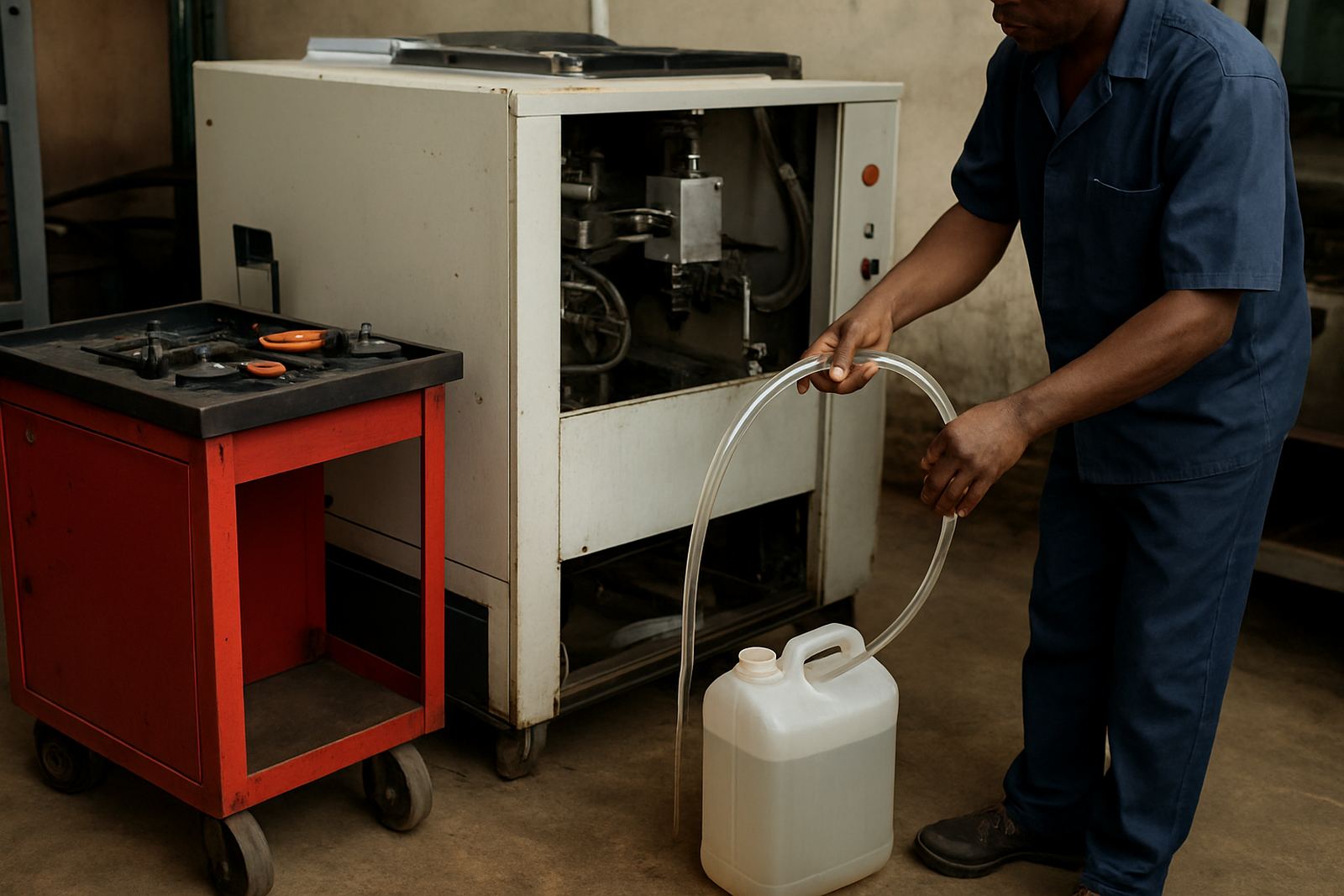
We check the basics before handing a unit back into service: correct input supply, pump operation, flow direction, sensor readings, hose condition and whether the water circuit is sealed and bled properly. If the system uses specific coolant or treated water, we will advise what should be used. Do not top up with random water from a drum if the machine needs clean treated coolant, thats where scale and corrosion often begin.
For sites with frequent outages, we can inspect how the chiller behaves after power returns and check for restart issues, relay faults and control logic problems. On high humidity coastal sites, condensation and corrosion can also affect terminals and connectors, so those areas get extra attention.
Servicing That Keeps the Cooling Side Stable
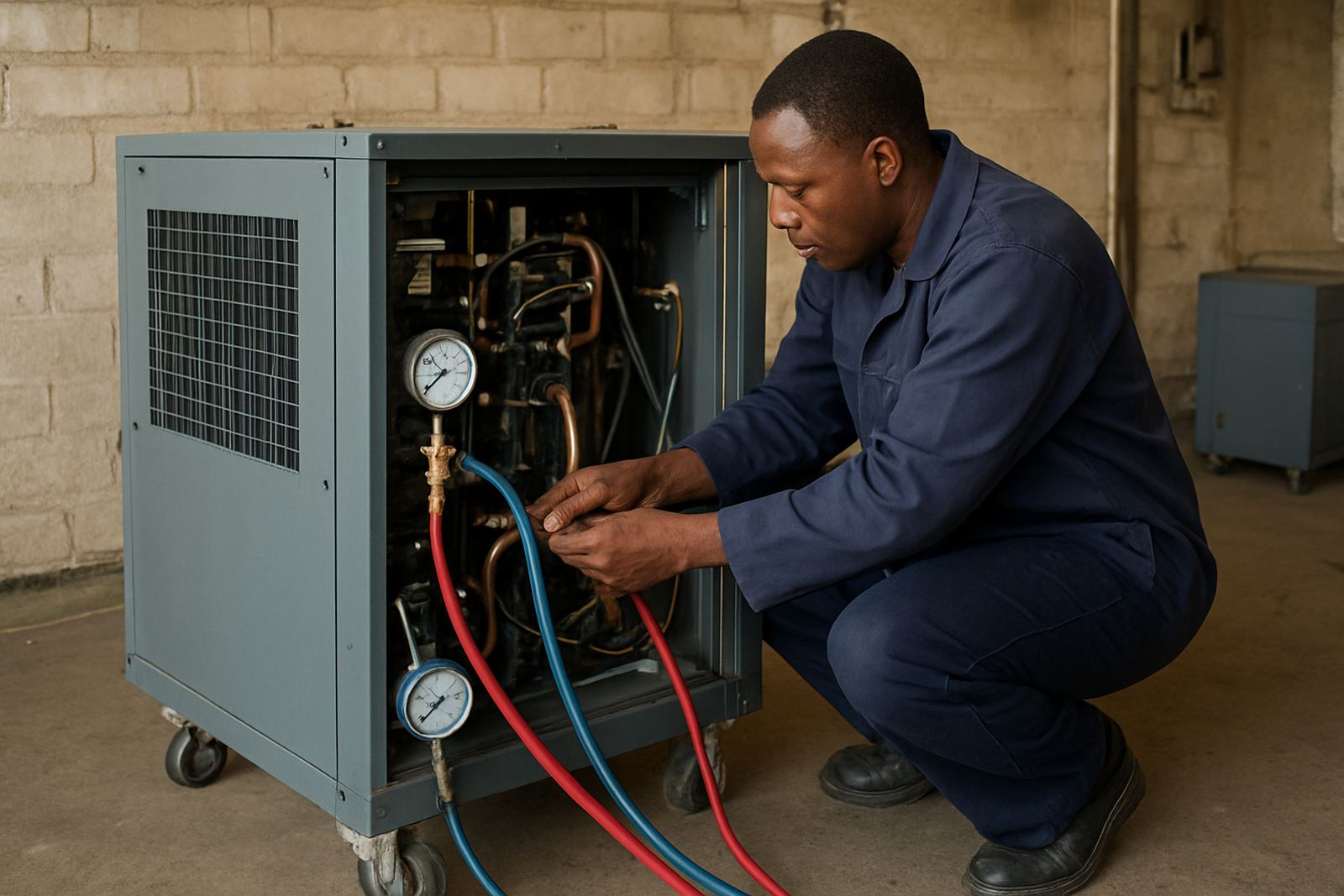
A repaired chiller should not just switch on, it should hold temperature consistently under load. Our care and servicing work is aimed at keeping the unit stable between planned maintenance intervals. That includes cleaning, leak checks, flow testing and making sure the pump and sensors are behaving correctly.
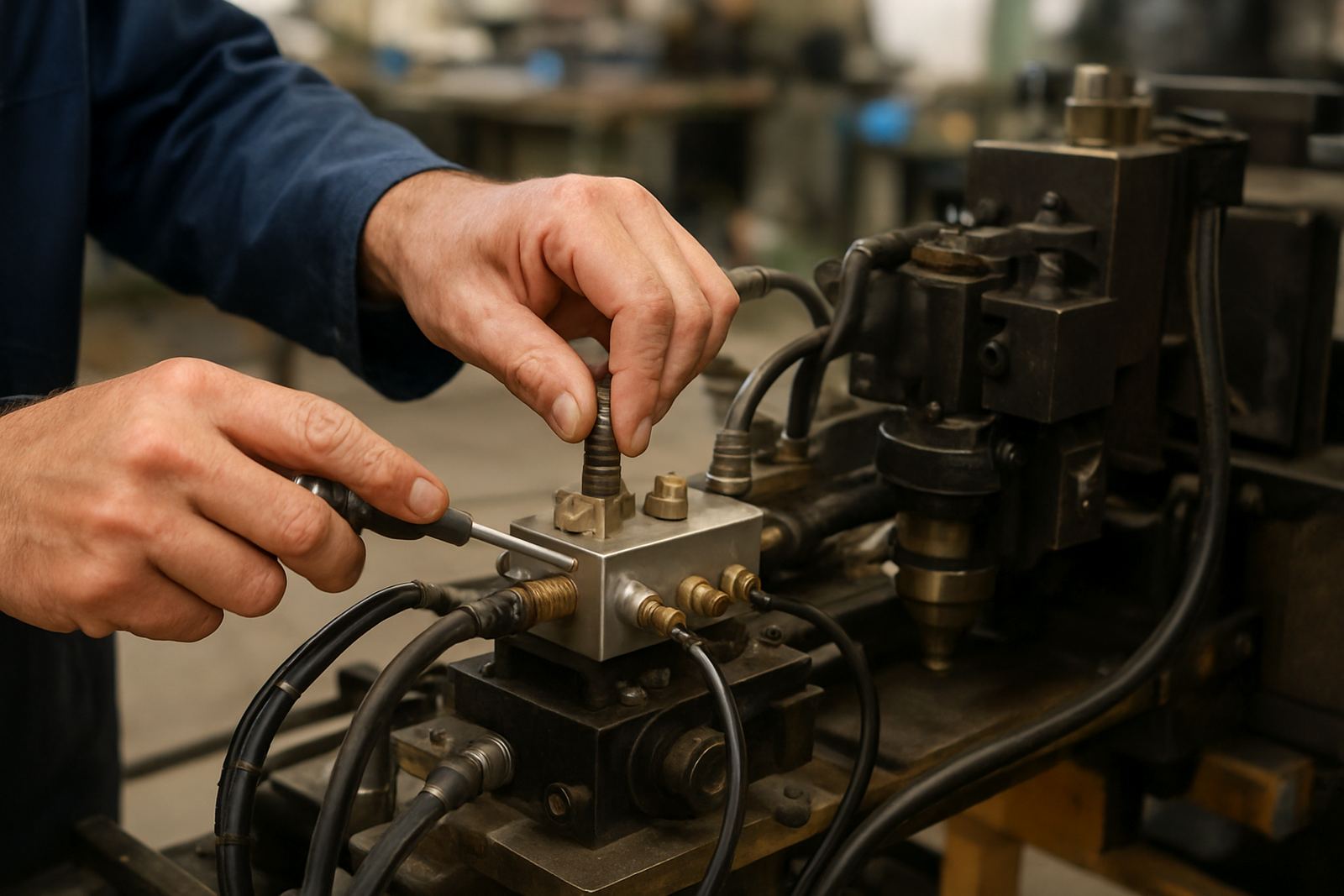
Where a chiller has been running dirty coolant or has visible scaling, we can clean the internal circuit and assess whether any hoses, seals or valves need replacement. We also check the fans, filters, electrical connections and control response. Small faults often turn into major breakdowns if left for too long, especially on systems running through double shifts.
- Strip and inspection of the full cooling circuit
- Pump check and pressure test
- Filter, fan and condenser cleaning
- Sensor reading verification
- Leak check and coolant path assessment
- Return to service test under working conditions
Routine service is cheaper than emergency replacement, and it helps the laser head, source and tube last longer. It also keeps the machine operator from chasing the same alarm every few days.
What To Check When Ordering A Chiller Repair
When you send an enquiry through our contact page, include the details that help us identify the right unit and fault quickly. The more accurate the information, the faster we can decide whether the chiller should come to the bench or be attended on site. A clear fault description saves time for everyone.
Please have the model details, machine type and symptoms ready. If the unit is alarm-ing, note the exact message on the display. If flow is low, say whether the pump is running and whether the problem started after a service, a move or a power event. Photos of the nameplate and control panel are often useful.
- Laser machine type and whether it is fibre or CO2
- Chiller model, serial number and capacity if visible
- Alarm message or fault code
- What the coolant temperature is doing
- Whether flow is present at start-up
- Any recent collision, move, outage or maintenance work
We support customers from Boksburg and across South Africa with practical repair work, parts supply and clear communication from first fault report to final handover.
Key facts
| Service type | Water chiller repair for laser systems |
|---|---|
| System compatibility | Fibre and CO2 laser chillers |
| Typical faults | Poor temperature control, alarms, blocked flow paths |
| Work options | Bench repair and on-site support |
| Coverage | Boksburg base with national support |
| Inspection methods | Strip and inspection, flow test, return to service test |