What Pierce Fault Diagnosis Covers
Pierce Fault Diagnosis is for jobs where the laser cuts fine after the start point, but the pierce itself is inconsistent, delayed or burnt out. That can show up as heavy spatter, full hole blowout, dross around the entry point, or a cut that starts on one sheet and fails on the next. We check the cutting head, optics, nozzle condition, pierce height, gas delivery and the machine settings that control the start cycle.
The service is used on mild steel, stainless steel and aluminium across job shops, signage plants and metal fabrication yards. It suits fibre systems and CO2 machines, on new installations and older units that have had wear, contamination or a small collision. In many cases the fault is not one thing, but a mix of nozzle wear, poor alignment and unstable gas pressure. That is why a proper diagnosis saves time and money.
We work from Boksburg, Ekurhuleni and support customers in Johannesburg, Pretoria, Vanderbijlpark, Durban and Cape Town, with on site and bench options depending on the fault. If the issue is isolated to the head, we can often test and repair it in the workshop. If the machine needs closer inspection, we come to site and trace the problem at the source.
When Pierce Problems Start To Cost You Sheets
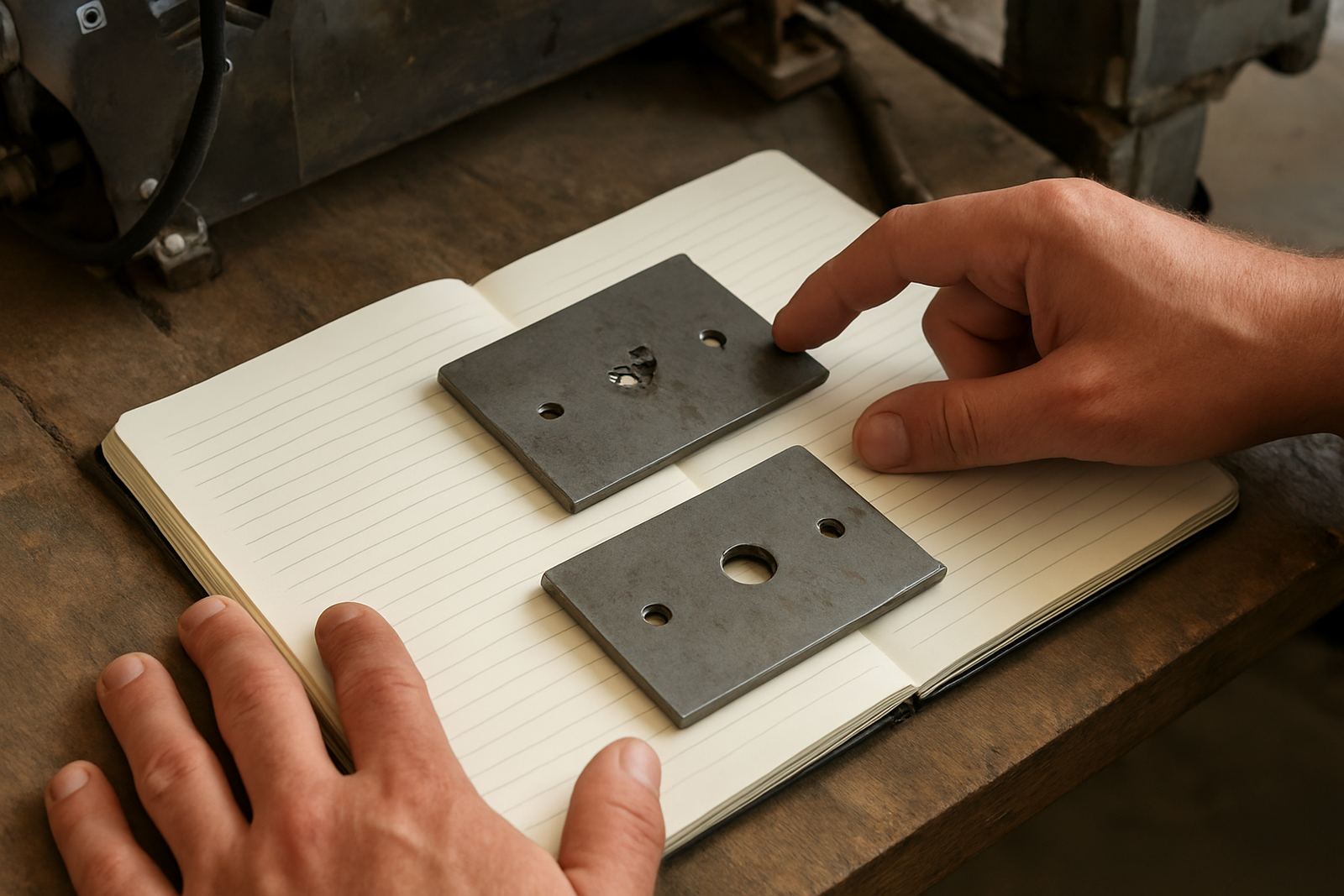
Most pierce faults show up in production before they become a full breakdown. Operators may increase gas pressure, slow the cycle, or adjust focus just to get through a shift, but that often hides the real cause. If you are re-running parts, cleaning up excess dross, or seeing hole damage at the start of every nest, the machine is already costing you extra consumables and time.
Common signs include uneven pierce marks, piercing that works on thin sheet but not thicker plate, and repeated failure on corners or small features. A worn nozzle can be enough to cause bad flow, but sometimes the real issue is a damaged ceramic holder, a cracked window, or contamination inside the head. On stainless and aluminium, pierce quality is also sensitive to gas purity and the machine’s timing. A small fault can throw the whole job off.
- Slow start holes on 1 mm to 12 mm material
- Excess spatter or blowback into the nozzle
- Repeated pierce failure on one sheet size or material type
- Burn marks, dross rings or holes that close partially
- Frequent nozzle changes with no lasting improvement
How We Diagnose The Cause On Site Or In The Workshop
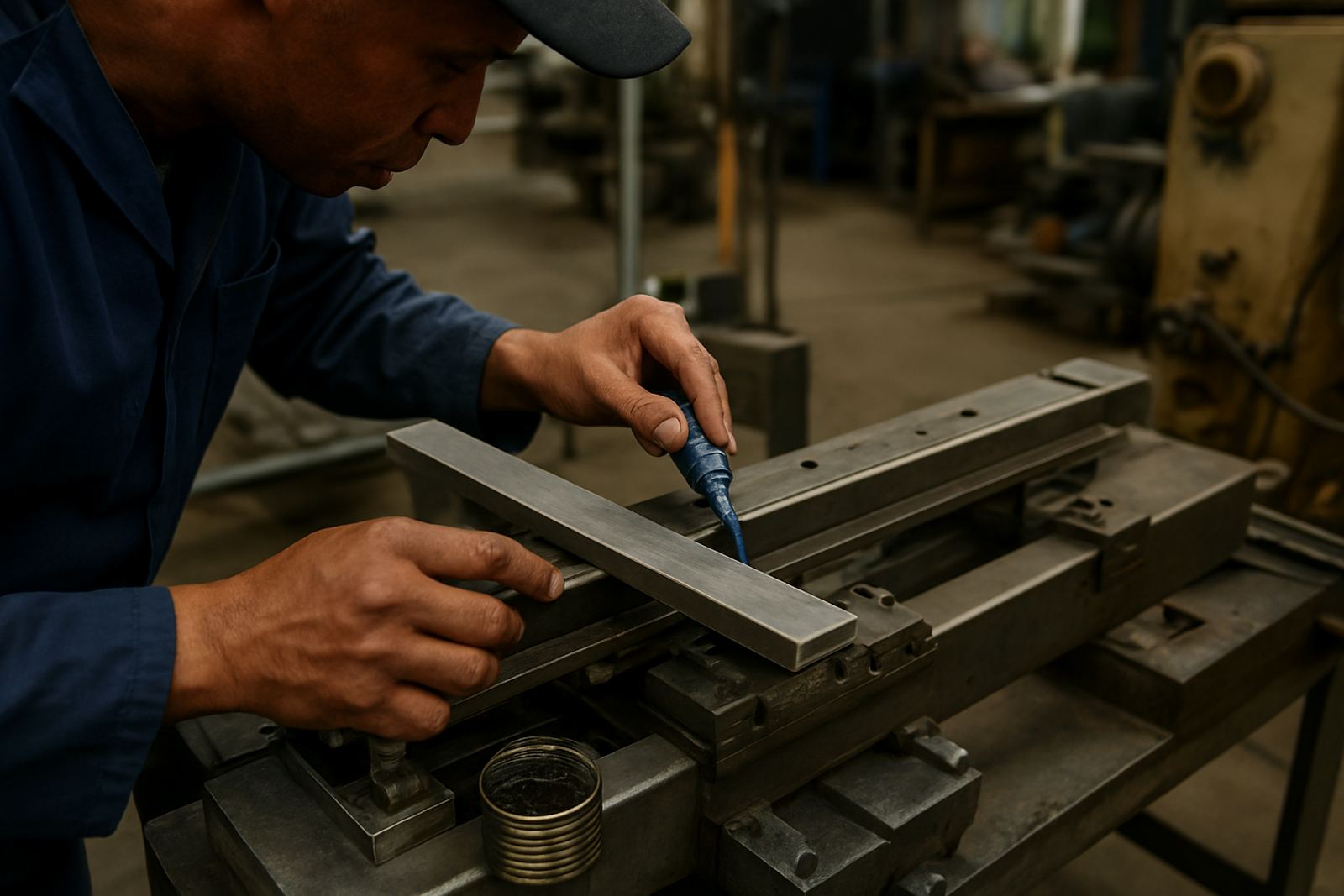
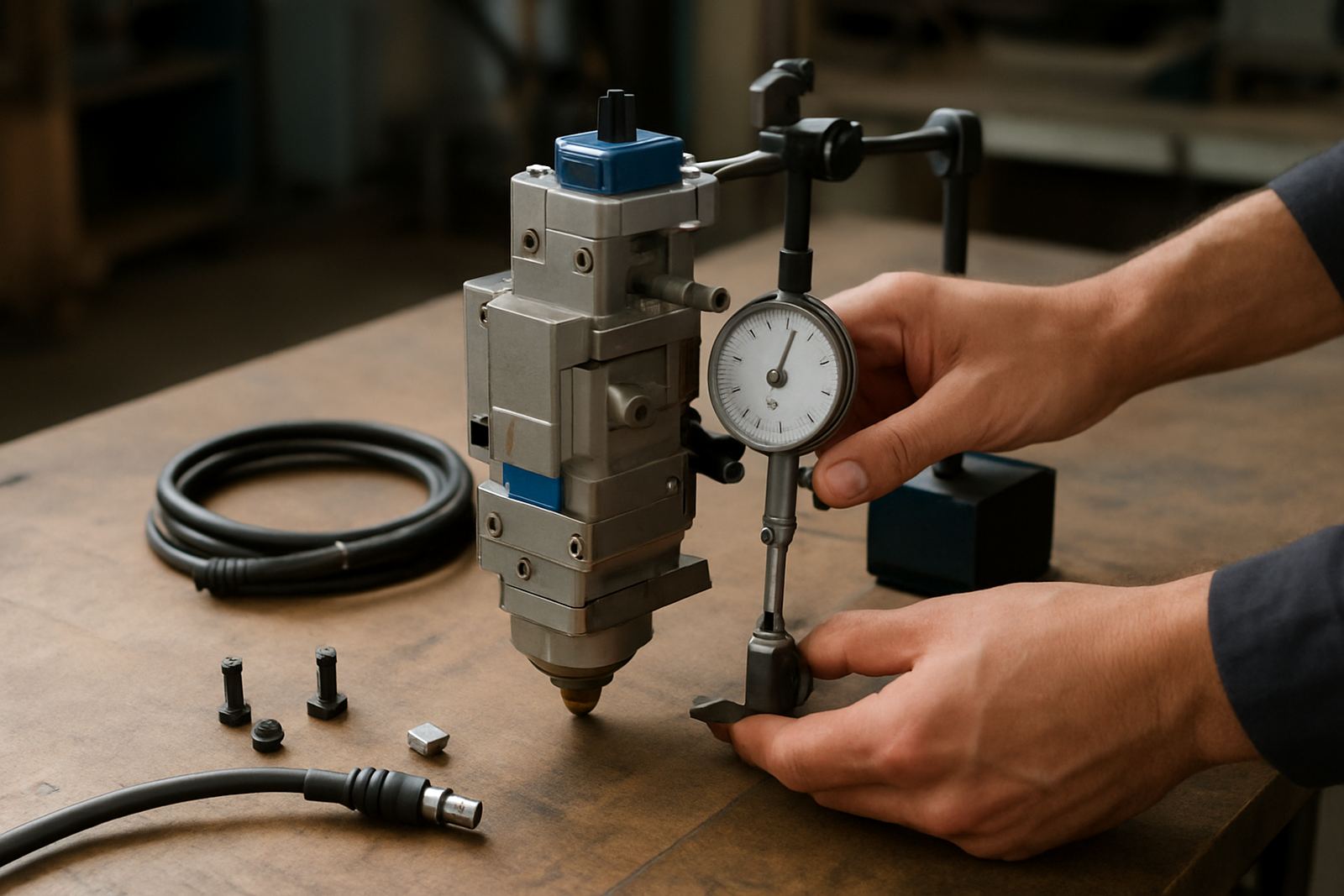
Our technicians check the head step by step so the cause is not guessed at. We start with strip and inspection where needed, then look at lens condition, protective window condition, nozzle seat, ceramic holder and internal contamination. If the machine has had a collision, we inspect for misalignment and look for wear that only shows up under pressure. The aim is to find the fault that is really affecting pierce quality, not just the part that looks worn.
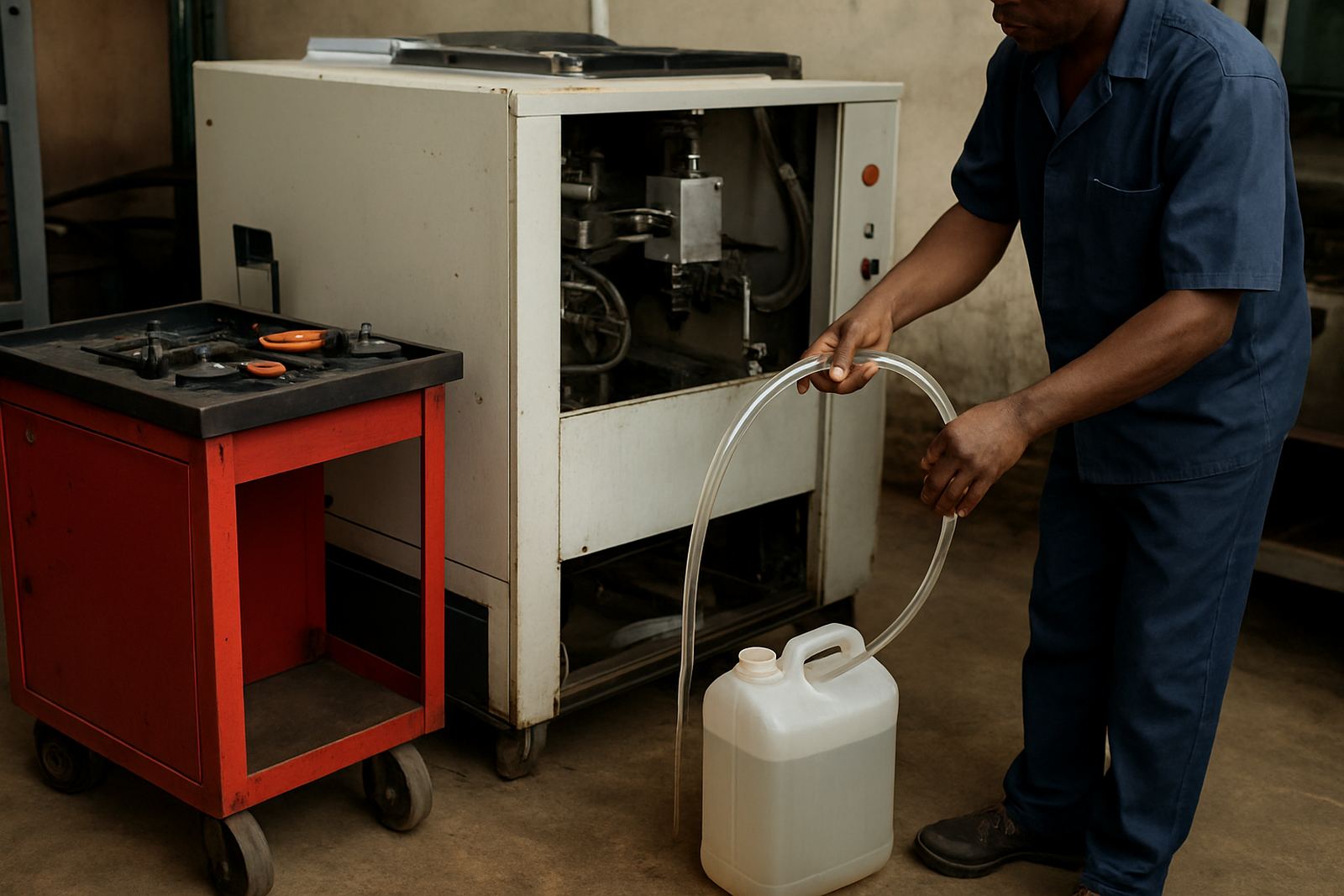
We then run a bench pressure test or site test depending on the machine and the setup. Gas supply stability matters a lot here. If the oxygen or nitrogen delivery drops or pulses, pierce performance can look random even when the optics are still serviceable. We also check the head alignment and the return to service result after any repair, so the machine leaves in proper working order.
- Strip and inspection of the cutting head
- Head alignment check and nozzle seat check
- Lens replacement or protective window replacement if damaged
- Sensor ring service where fitted
- Bench pressure test and return to service test
Sizes, Options And Machine Types We Support
Pierce Fault Diagnosis is not limited to one machine size. We support compact workshop cutters, larger production tables and mixed fleets with both fibre and CO2 systems. The service is useful on light gauge signage work, general fabrication, and heavier plate cutting where the pierce cycle has to be right before the cut can start cleanly. Whether the head uses standard consumables or a more specialised arrangement, we can inspect it and advise on the right parts.
Options depend on the fault found. Some machines only need a nozzle, lens or window replacement. Others need a ceramic holder change, internal cleaning or full collision damage repair. In some cases, we restore the head and leave the machine ready for the operator to retest on their own nest. If the machine is running with repeated pierce issues, we will recommend the parts and checks needed to keep it stable, not just get through one shift.
We keep support practical for South African workshops that cannot afford long stoppages. That means proper diagnosis, plain feedback and parts supply where needed, so your team knows what to expect before the machine goes back into production. No fluff, just the fault, the fix and the result.
Installation, Power And Gas Requirements
Pierce fault work usually does not need a full machine installation, but the supporting conditions still matter. Stable mains power, clean gas and proper extraction all affect the start cycle. If your site has load shedding, voltage dips or a weak compressor setup, that can show up as inconsistent pierces and erratic head behaviour. In coastal areas like Durban and Cape Town, humidity can also affect consumables and contamination, especially when machines stand idle over a weekend.
For best results, the machine should have clean dry gas at the correct pressure for the material and thickness being processed. Oxygen, nitrogen and compressed air all behave differently, so the right setting has to match the job. We also check that the head is seated properly and that the machine is not trying to pierce with a blocked nozzle or a damaged window. If the fault is electrical or sensor related, we will trace that too.
- Stable mains supply and proper earthing
- Clean, dry gas at the required pressure
- Working extraction and safe fume removal
- Room to access the head for service and test cuts
- Correct material thickness and gas selection for the job
Care, Servicing And What To Check When Ordering
Good pierce performance depends on regular care. Keep the head clean, replace worn consumables before they fail, and do not ignore small collision marks. After heavy use, the nozzle seat, lens and protective window should be checked, because a small issue can become a full stop on the next job. In workshops with multiple shifts, a weekly visual check helps catch problems before they affect delivery dates.
When you order Pierce Fault Diagnosis, help us with the machine type, the material being cut, the thickness range and the symptoms you see at the pierce point. If you can share whether the fault is on mild steel, stainless or aluminium, and whether it happens on one table only or across the whole machine, that speeds up diagnosis. Also tell us if the unit has had a recent head strike, gas issue or optics change. The more detail we get, the faster we can trace it.
- Material type: mild steel, stainless or aluminium
- Thickness range and typical sheet sizes
- Symptoms: spatter, incomplete pierce, burn back or slow start
- Machine type: fibre or CO2
- Any recent collision, optics change or gas interruption
- On site or bench preference, depending on downtime
Why Workshops Call Laser Ray Tools
Laser Ray Tools focuses on keeping laser cutters running. We repair heads, diagnose pierce faults, replace worn parts and get machines back into service without wasting time on unrelated extras. Our team in Boksburg supports customers across Johannesburg, Pretoria, Vanderbijlpark, Durban and Cape Town, with the same practical approach wherever the machine is running.
For job shops and fabricators, pierce quality is not a small detail. It affects cut start, scrap, rework and the time your operator spends babysitting a machine. When the pierce is right, production stays steady and your sheets move through with less fuss. That is the point of this service, and it is what we focus on every day.
Key facts
| Service type | Pierce fault diagnosis for laser cutting machines and heads |
|---|---|
| Machine systems | Fibre and CO2 laser systems |
| Materials covered | Mild steel, stainless steel and aluminium |
| Repair mode | On site and bench service |
| Typical checks | Nozzle, lens, window, gas path, alignment and sensor checks |
| Areas supported | Boksburg, Johannesburg, Pretoria, Vanderbijlpark, Durban and Cape Town |